Thyroid Diet: Foods to Eat and Levothyroxine Timing Guide
Managing a thyroid condition like hypothyroidism or Hashimoto's can often feel like a balancing act. You might be doing everything right—taking your medication and getting your blood work done—yet still feel like your energy levels aren't quite where they should be. It is important to remember that you are not alone in this journey, and your diet plays a vital role in how you feel every day.
While nutrition cannot replace thyroid hormone replacement therapy, it serves as a powerful foundation. By understanding how certain nutrients interact with your thyroid and how to properly time your medication, you can regain control over your symptoms and support your metabolic health.
Why Levothyroxine Timing is Critical for Success
If you have been prescribed levothyroxine, you have likely been told to take it on an empty stomach. This isn't just a suggestion; it is a clinical necessity for the medication to work effectively. Levothyroxine is a synthetic version of the hormone T4, and its absorption in the small intestine is highly sensitive to the presence of food, fiber, and other medications.
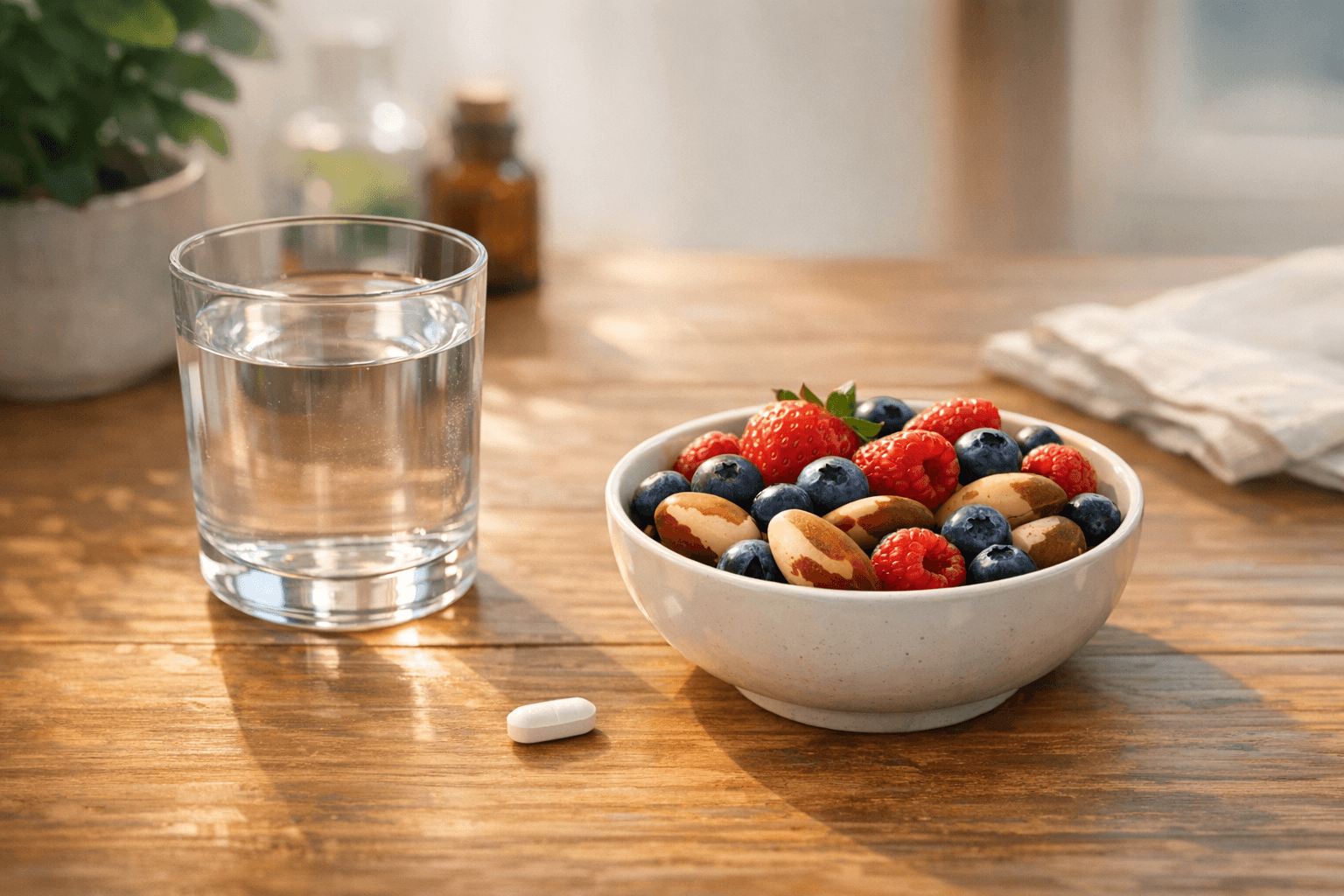
The gold standard for taking levothyroxine is to take it first thing in the morning with a full glass of water, at least 30 to 60 minutes before eating breakfast or drinking coffee.

Factors That Block Absorption
Certain substances can significantly interfere with how much medication your body actually absorbs. To ensure your dosage remains stable, wait at least four hours after taking your thyroid medication before consuming:
- Calcium supplements or calcium-fortified orange juice.
- Iron supplements or multivitamins containing iron.
- Antacids containing aluminum or magnesium.
- High-fiber meals, which can bind to the medication and carry it through your system before it is absorbed.
By being consistent with your timing, you help your doctor find the most accurate dosage for your needs, preventing the "roller coaster" effect of fluctuating hormone levels.
Essential Nutrients for Thyroid Health
Your thyroid gland is like a small factory that requires specific raw materials to produce hormones. If you are deficient in these key minerals, your thyroid function may slow down even with medication.
The Role of Iodine
Iodine is the primary building block of thyroid hormones. However, it is a delicate balance. Too little iodine can cause a goiter, but too much—especially in those with Hashimoto's—can actually trigger or worsen an autoimmune flare-up. Focus on getting iodine from natural food sources like iodized salt, seaweed, and fish rather than high-dose supplements unless directed by a doctor.
Selenium: The Thyroid Protector
This mineral is highly concentrated in the thyroid gland. It helps convert T4 into the active T3 hormone and protects the thyroid from oxidative stress. Research suggests that adequate selenium intake may help reduce thyroid antibodies in people with Hashimoto's.
Zinc and Metabolism
Zinc is another essential nutrient for hormone production and signaling. A deficiency can lead to decreased thyroid hormone levels and a slower metabolism. Including zinc-rich foods helps ensure your cells are receiving the signals they need to maintain your energy.
Best Foods for Hypothyroidism and Hashimoto's
Building a thyroid-friendly plate doesn't have to be complicated. Focus on whole, unprocessed foods that provide a steady stream of energy without causing inflammation.
Top Thyroid-Friendly Foods Include:
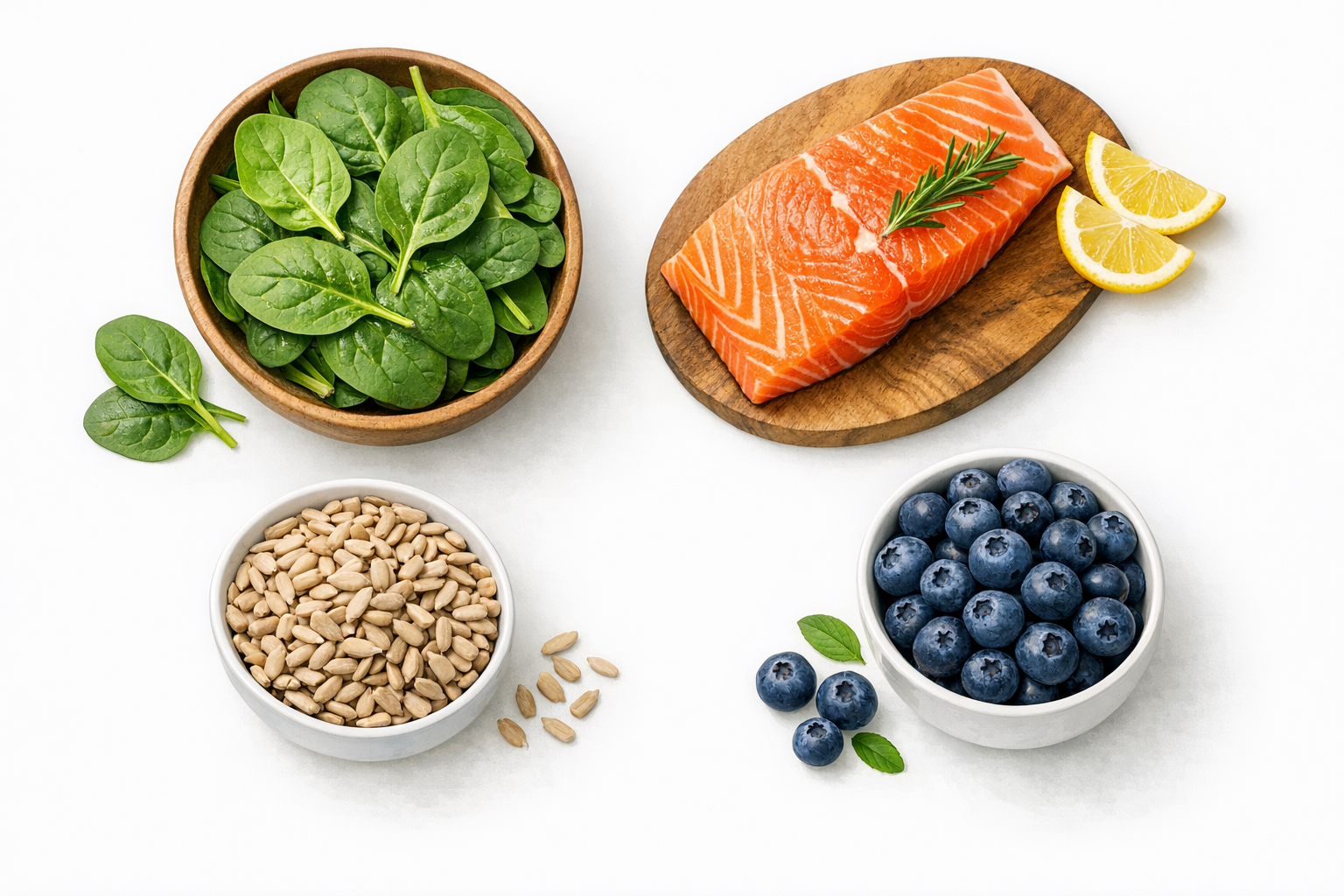
- Brazil Nuts: Just one or two nuts a day can provide your entire daily requirement of selenium.
- Roasted Pumpkin Seeds: An excellent source of zinc and magnesium.
- Wild-Caught Salmon: Rich in Omega-3 fatty acids, which help reduce inflammation associated with autoimmune thyroid issues.
- Eggs: These contain both iodine and selenium, and the yolk is rich in fat-soluble vitamins.
- Leafy Greens: Spinach and kale provide antioxidants and fiber, though they should be prepared correctly.
Addressing the Goitrogen and Soy Myth
You may have heard that you should avoid cruciferous vegetables like broccoli, cabbage, and kale because they contain "goitrogens"—compounds that can interfere with iodine uptake.
For most people, you do not need to avoid these healthy vegetables. Cooking cruciferous vegetables neutralizes most of the goitrogenic activity. As long as you aren't eating massive quantities of raw kale every single day, the benefits of these fiber-rich, antioxidant-packed foods far outweigh the risks.
Similarly, soy has been a topic of debate. While soy does not cause thyroid problems in people with sufficient iodine levels, it can interfere with the absorption of thyroid medication. If you enjoy soy, simply ensure you consume it several hours after taking your levothyroxine.
Thyroid-Friendly Breakfast Ideas
Since you need to wait at least 30 to 60 minutes after your medication before eating, breakfast should be something you look forward to. Here are three ideas that support your hormones:
- Warm Berry Compote with Walnuts: Sauté blueberries and raspberries until soft, then top with crushed walnuts and a dollop of Greek yogurt (if it has been at least an hour since your meds).
- Avocado and Smoked Salmon: A slice of gluten-free or sourdough toast topped with healthy fats and protein to keep your blood sugar stable.
- Vegetable Scramble: Eggs whisked with sautéed spinach and mushrooms. Cooking the spinach reduces goitrogens and makes the nutrients more bioavailable.
How a Personalized Nutrition Plan Can Help
Every body is unique, and what works for one person with hypothyroidism may not work for another. Factors like your age, activity level, and whether you have co-existing conditions like high blood pressure or digestive issues all influence your nutritional needs.
Working with a Registered Dietitian is the most effective way to navigate these complexities. A professional can help you identify hidden food sensitivities, ensure you are meeting your micronutrient targets, and help you lose weight safely if that is one of your goals.
This is where tools like Kukta AI become invaluable. Kukta AI can help connect you with qualified dietitians and generate personalized meal plans that respect your medication timing and nutritional requirements. Having a plan tailored specifically to your hormonal health takes the guesswork out of the grocery store and the kitchen.
Final Thoughts on Thyroid Nutrition
Your thyroid health is a marathon, not a sprint. Small, consistent changes to your diet and medication routine can lead to significant improvements in how you feel over time. Always consult with your endocrinologist or primary care physician before making major changes to your diet or starting new supplements.
Remember, nutrition is a supportive tool that works alongside your medical treatment. By nourishing your body with intention and respecting the science of medication absorption, you are taking a powerful step toward long-term wellbeing.