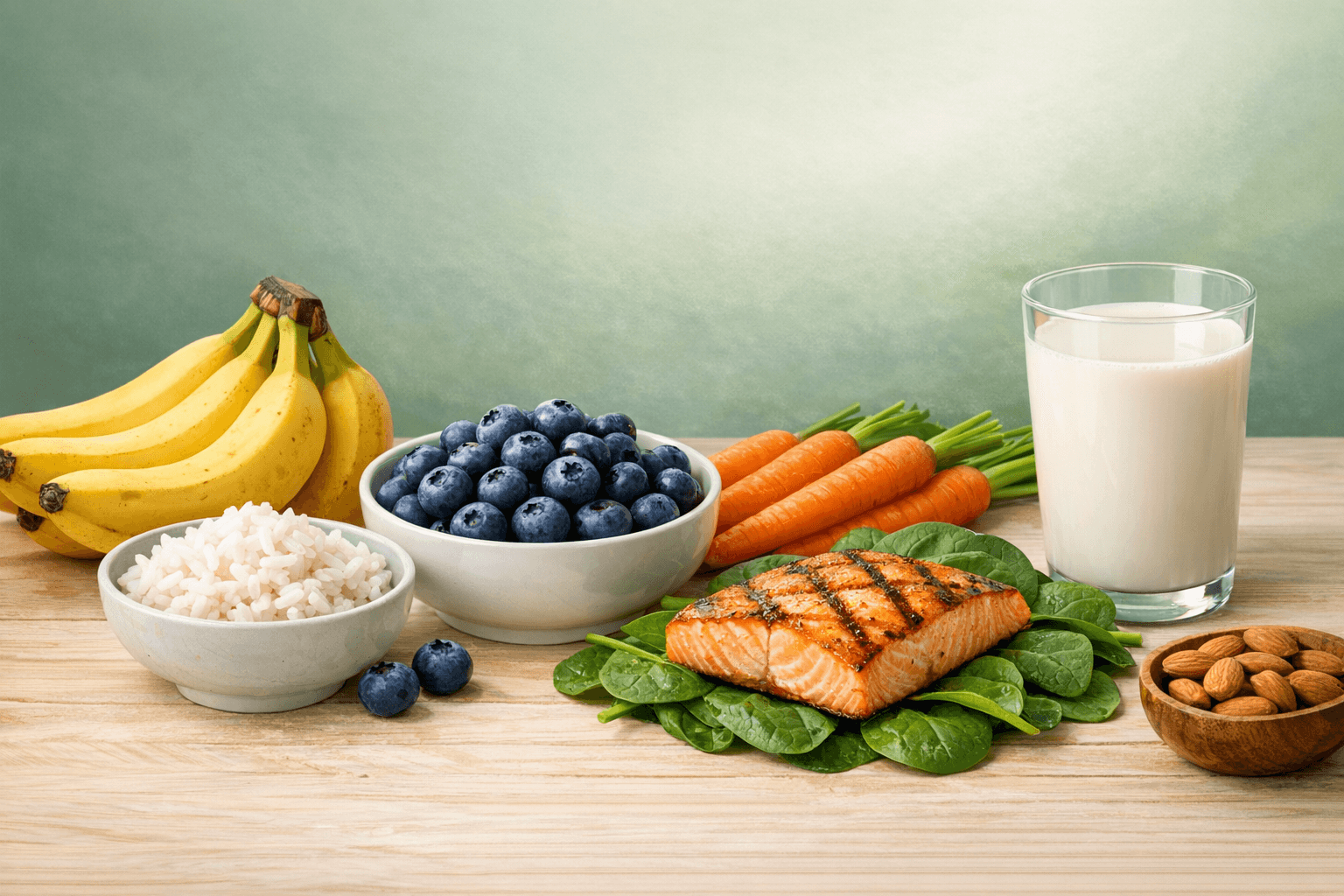
Low FODMAP Diet for Beginners: A Complete Guide to Managing IBS Through Nutrition
If you're living with Irritable Bowel Syndrome (IBS), you know how frustrating and isolating it can be. The unpredictable bloating, gas, abdominal pain, and irregular bowel movements can make everyday activities feel like challenges. You may have tried various approaches without finding lasting relief, leaving you wondering if anything will ever help.
The good news is that there is an evidence-based dietary approach that has helped many people with IBS significantly reduce their symptoms. It's called the Low FODMAP diet, and it was developed by researchers at Monash University in Australia after years of scientific study. While this diet requires commitment and effort, research suggests that up to 75% of people with IBS experience meaningful symptom improvement.
It's important to understand from the start that the Low FODMAP diet is not a permanent restrictive eating plan. It's a structured three-phase process designed to help you identify your specific food triggers and ultimately return to a varied, enjoyable diet. With patience and proper guidance, you can find a sustainable way of eating that supports your digestive health.
What Are FODMAPs and Why Do They Cause Problems?
FODMAPs is an acronym that stands for Fermentable Oligosaccharides, Disaccharides, Monosaccharides, and Polyols. These are types of short-chain carbohydrates and sugar alcohols that are poorly absorbed in the small intestine of some people.
When you eat foods containing FODMAPs and your body doesn't absorb them properly, they travel through your digestive system to the large intestine relatively intact. There, two things happen: they attract water into your intestine (which can cause diarrhea or bloating), and gut bacteria ferment them, producing gas. For people with sensitive intestines—like those with IBS—this combination can trigger uncomfortable symptoms.
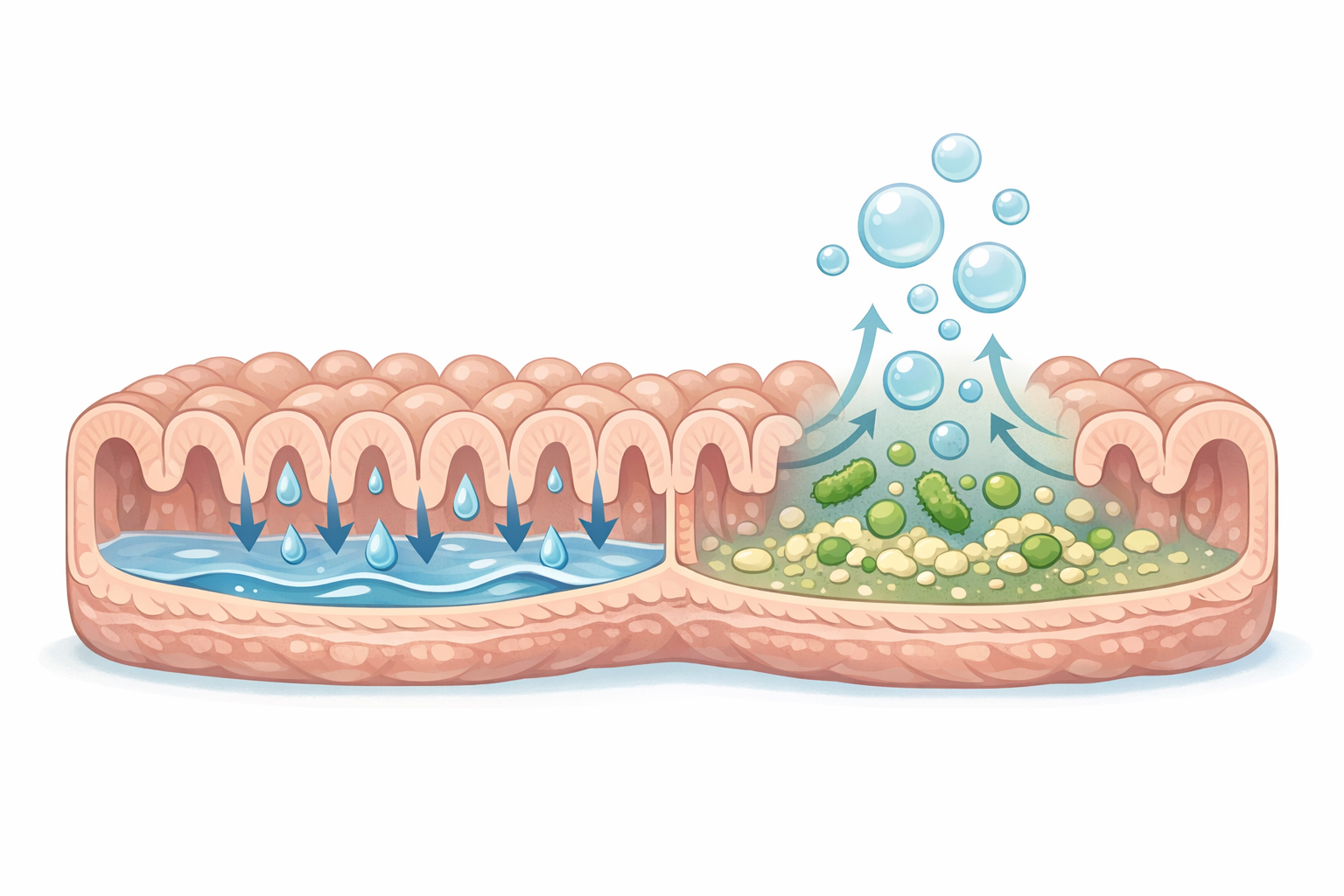
The main FODMAP groups include:
- Fructans: Found in wheat, rye, onions, garlic, and some vegetables
- Galacto-oligosaccharides (GOS): Present in legumes, lentils, and chickpeas
- Lactose: The natural sugar in milk, yogurt, and soft cheeses
- Fructose: A sugar found in many fruits, honey, and agave
- Polyols: Sugar alcohols like sorbitol and mannitol, found in some fruits and artificial sweeteners
Understanding these categories will help you navigate the elimination and reintroduction phases more effectively.
The Three Phases of the Low FODMAP Diet
The Low FODMAP diet follows a structured approach that helps you identify your personal triggers while maintaining good nutrition. Here's what to expect at each stage.
Phase 1: Elimination (2-6 Weeks)
During this initial phase, you'll remove high FODMAP foods from your diet to give your digestive system a break and establish a baseline of reduced symptoms. Most people notice improvement within 2-4 weeks, though some may need the full 6 weeks. The goal is not to eliminate all FODMAPs forever, but to reduce your overall FODMAP load significantly.
It's essential to ensure you're still getting adequate nutrition during this phase. Working with a registered dietitian can help you navigate food choices and maintain balanced meals.
Phase 2: Reintroduction (6-8 Weeks)
Once your symptoms have stabilized, you'll systematically test each FODMAP group to identify which ones trigger your symptoms. This is a methodical process where you introduce one FODMAP type at a time, in increasing amounts, over several days while tracking your body's response.
This phase is crucial because most people find they can tolerate some FODMAP groups but not others. You might discover that you're sensitive to fructans but can eat lactose without issues, for example. This knowledge is empowering and allows for a much less restrictive diet long-term.
Phase 3: Personalization
The final phase is about creating your sustainable, long-term eating pattern. Armed with knowledge about your personal tolerance levels, you can reintroduce the FODMAP groups that don't trigger symptoms and make informed choices about portion sizes for those that do.
Many people find they can return to a relatively normal diet, only avoiding their specific triggers or managing portion sizes of problem foods. The goal is the most varied diet possible while keeping symptoms manageable.
High FODMAP Foods to Limit During Elimination
Knowing what to avoid during the elimination phase is key to success. Here's a breakdown of high FODMAP foods organized by category.
Fruits:
- Apples, pears, and stone fruits (peaches, plums, nectarines)
- Watermelon, cherries, and blackberries
- Dried fruits and fruit juices in large quantities
Vegetables:
- Onions and garlic (including garlic and onion powder)
- Cauliflower, mushrooms, and asparagus
- Artichokes, beetroot, and celery in large portions
Grains:
- Wheat-based products (bread, pasta, cereals, crackers)
- Rye and barley
- Some granolas and muesli
Dairy:
- Regular cow's milk, yogurt, and soft cheeses
- Ice cream and custard
Legumes:
- Most beans, lentils, and chickpeas (except canned and well-rinsed in small portions)
Sweeteners:
- Honey, agave nectar, and high-fructose corn syrup
- Sorbitol, mannitol, xylitol, and other sugar alcohols
Important note about portion sizes: Some foods are considered low FODMAP in small amounts but become high FODMAP in larger portions. This is why working with a dietitian or using a reliable FODMAP app can be incredibly helpful.
Low FODMAP Foods to Enjoy
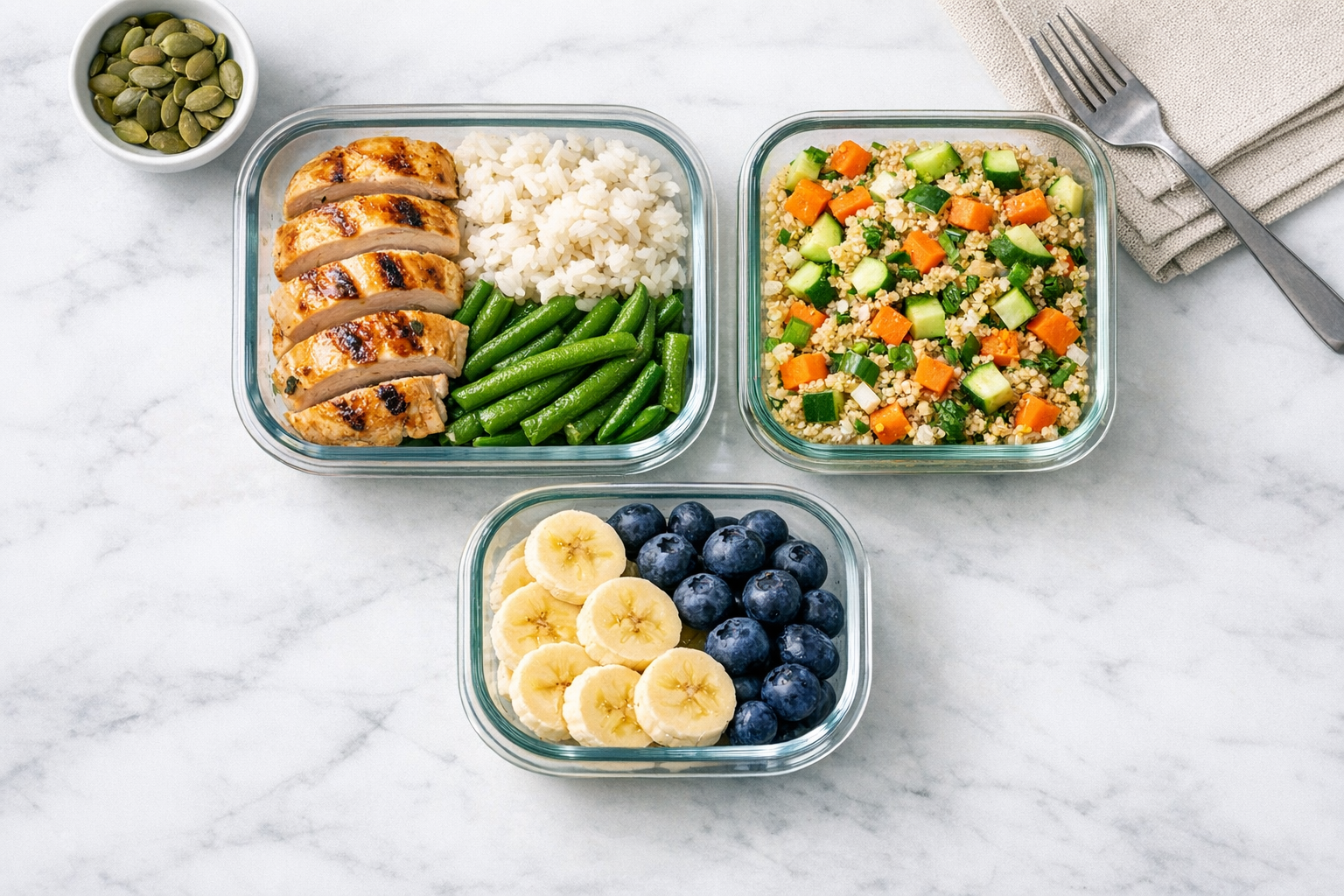
The good news is that there are plenty of delicious foods you can eat during the elimination phase. Focus on building satisfying meals from these options.
Fruits:
- Bananas (not overripe), blueberries, strawberries, raspberries
- Oranges, grapes, kiwi, cantaloupe, honeydew
- Lemons, limes, and pineapple
Vegetables:
- Carrots, cucumber, leafy greens (spinach, kale, lettuce)
- Potatoes, sweet potatoes, green beans, zucchini
- Bell peppers, tomatoes, eggplant, green beans
- Bok choy, bean sprouts, and the green parts of scallions
Grains:
- Rice (white, brown, wild), quinoa, oats
- Gluten-free breads and pasta (check labels for hidden FODMAPs)
- Polenta, corn tortillas
Proteins:
- All plain meats, poultry, and fish
- Eggs, tofu, and tempeh
- Hard cheeses like cheddar, parmesan, and Swiss
Dairy alternatives:
- Lactose-free milk and yogurt
- Almond milk, rice milk, and other plant milks (check for added high FODMAP ingredients)
Simple meal ideas:
- Grilled chicken with rice and steamed green beans
- Oatmeal topped with blueberries and a sprinkle of walnuts
- Quinoa salad with cucumber, tomatoes, and feta cheese
- Rice cakes topped with peanut butter and banana slices
Practical Tips for Success
Navigating the Low FODMAP diet becomes easier with some practical strategies. Here are tips to help you succeed.
Reading labels carefully: FODMAPs can hide in unexpected places. Watch for garlic powder, onion powder, natural flavors, and ingredients like inulin, chicory root, or fructooligosaccharides. Many processed foods contain hidden sources that aren't immediately obvious.
Dining out strategies:
- Look up menus online before going to restaurants
- Ask for dishes without onion and garlic
- Request olive oil and lemon for dressing instead of prepared dressings
- Choose simple grilled proteins with rice or potatoes and steamed vegetables
Simple swaps:
- Use garlic-infused olive oil instead of garlic for flavor
- Substitute the green tops of scallions for onions
- Try maple syrup instead of honey as a sweetener
- Use lactose-free milk or almond milk in place of regular milk
Keeping a food and symptom diary: Tracking what you eat and how you feel helps identify patterns and is invaluable during the reintroduction phase. Record your meals, snacks, and any symptoms with their timing and severity.
Common Mistakes to Avoid
Being aware of potential pitfalls can help you navigate the diet more successfully.
Staying in elimination too long: The elimination phase is temporary. Staying on a strict Low FODMAP diet for months can unnecessarily restrict your diet and may affect gut bacteria diversity. Move to reintroduction once your symptoms have stabilized.
Restricting unnecessarily after identifying triggers: Once you know your triggers, you don't need to avoid all FODMAPs—only the ones that cause problems. Many people can tolerate moderate amounts of their non-trigger FODMAPs.
Not eating enough variety or calories: The elimination phase can feel restrictive, but it's important to maintain adequate nutrition. Work with a dietitian to ensure you're meeting your nutritional needs.
Attempting without guidance: While it's possible to do this diet on your own, working with a registered dietitian significantly improves success rates and helps you avoid unnecessary restrictions.
When to Seek Professional Help
Before starting the Low FODMAP diet, it's important to discuss your symptoms with a healthcare provider to rule out other conditions. Symptoms like unexplained weight loss, blood in your stool, persistent diarrhea, or symptoms that wake you at night warrant medical evaluation.
Working with a registered dietitian who specializes in digestive health can make a tremendous difference. They can help you navigate each phase, ensure adequate nutrition, interpret your food diary, and create a personalized long-term eating plan.
Kukta AI connects you with qualified registered dietitians who can provide personalized guidance for managing IBS through nutrition. Unlike generic calorie-tracking apps that only offer AI-generated advice, Kukta AI provides access to real, vetted dietitians supported by modern technology, giving you the best of both worlds—expert human guidance enhanced by smart tools.
Conclusion
The Low FODMAP diet is a powerful tool for identifying your personal food triggers and finding relief from IBS symptoms. While it requires patience and effort, the three-phase approach leads most people to a more sustainable, personalized way of eating that doesn't require permanent restriction.
Remember that symptom relief is possible. With proper guidance and a systematic approach, you can gain control over your digestive health and return to enjoying food and life with greater confidence.
You don't have to navigate this journey alone. Consider working with a registered dietitian who can guide you through each phase and help you create a sustainable eating plan tailored to your unique needs. Kukta AI empowers real, registered dietitians with artificial intelligence so they can help clients using the most modern technologies—the first platform that connects users with a large community of international, registered, vetted dietitians supported by AI.
This article is for informational purposes only and does not replace personalized medical advice. Always consult with a healthcare professional or registered dietitian before making significant changes to your diet.