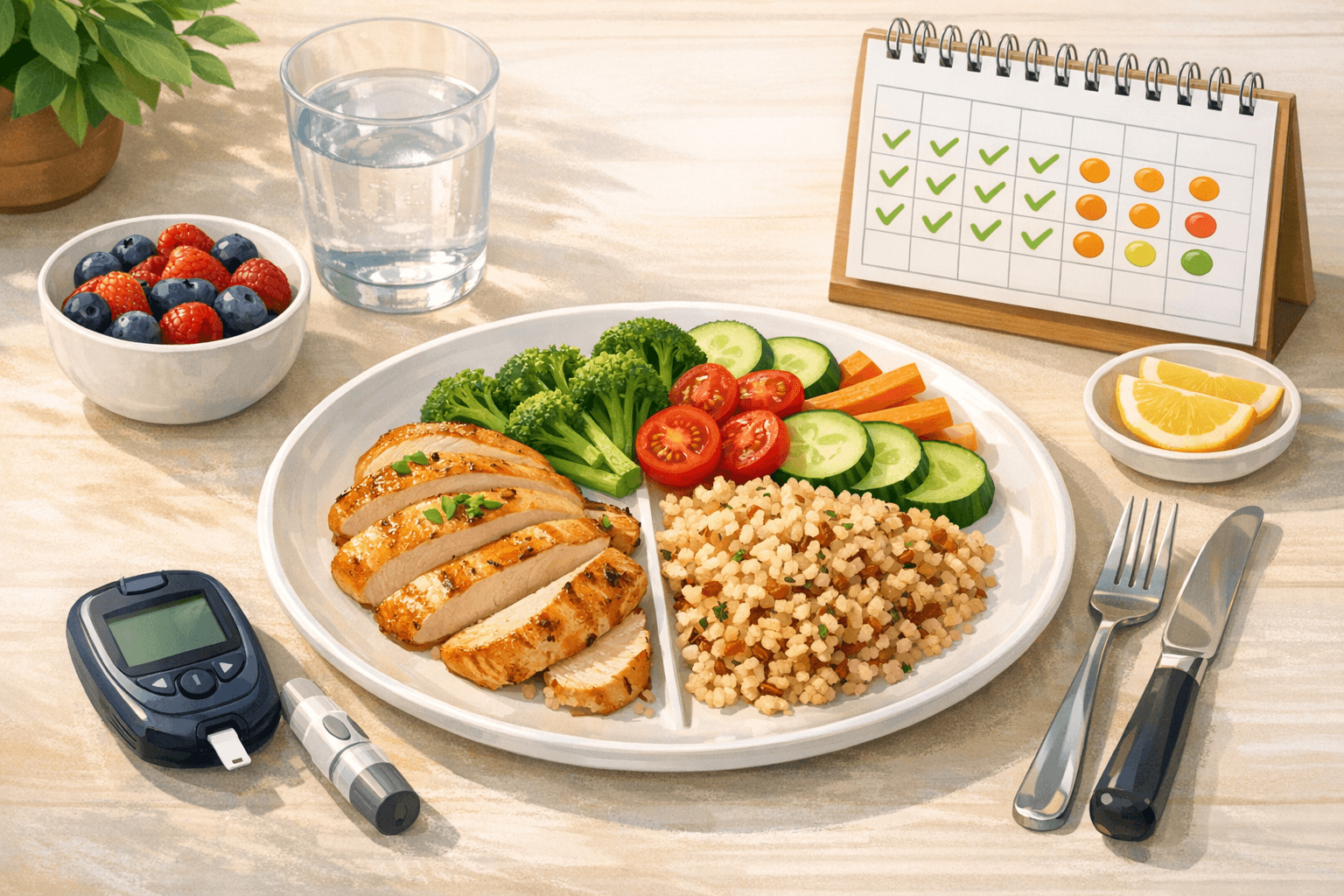
If you have recently received an A1C result that was higher than expected, you are not alone. Many people living with prediabetes or type 2 diabetes feel overwhelmed when trying to understand what those numbers actually mean for their daily lives. The good news is that dietary changes can make a meaningful difference in your A1C levels over time.
This guide will walk you through exactly what A1C measures, how different foods affect your blood sugar, and practical strategies you can start using today. You will also learn about common pitfalls that can sabotage your progress and when to seek professional support.
What Is A1C and Why Does It Matter?
When you want to understand your blood sugar control over time, the A1C test is one of the most important tools available. Unlike a fasting glucose test, which only shows your blood sugar at a single moment, the A1C test measures your average blood sugar levels over the past two to three months.
Here is why that matters: blood sugar fluctuates constantly throughout the day based on what you eat, your activity level, stress, and sleep. A single glucose reading cannot tell the full story. The A1C test captures the bigger picture by measuring how much glucose has attached to your hemoglobin, a protein in your red blood cells.
A1C targets vary by individual, but general guidelines include:
- Below 5.7%: Normal blood sugar levels
- 5.7% to 6.4%: Prediabetes range
- 6.5% or higher: Indicates diabetes
- Below 7%: A common target for many adults with diabetes
- Below 8%: May be appropriate for older adults or those with other health conditions
Your doctor may recommend a different target based on your age, how long you have had diabetes, other health conditions you manage, and your risk of low blood sugar. Always discuss your personal A1C goal with your healthcare team.
How Different Foods Affect Your A1C
Understanding how various foods impact your blood sugar is essential for learning how to lower A1C naturally. Not all carbohydrates behave the same way in your body, and the right combinations of nutrients can help stabilize your glucose throughout the day.
Complex vs Simple Carbohydrates: What Is the Difference?
Carbohydrates have the biggest direct impact on blood sugar, but the type of carbohydrate matters significantly.
Simple carbohydrates break down quickly in your body, causing rapid spikes in blood sugar. These include:
- White bread and white rice
- Sugary cereals and pastries
- Candy and sweets
- Regular soda and fruit juice
- Most processed snack foods
Complex carbohydrates digest more slowly, leading to a gradual rise in blood sugar rather than a sharp spike. Good sources include:
- Whole oats and oatmeal
- Quinoa, brown rice, and barley
- Whole wheat bread and pasta
- Beans, lentils, and chickpeas
- Starchy vegetables like sweet potatoes
Choosing complex carbohydrates more often than simple ones can help you maintain steadier blood sugar levels, which contributes to a lower A1C over time.
The Role of Fiber in Blood Sugar Management
Fiber is a type of carbohydrate that your body cannot digest, which means it does not raise your blood sugar. In fact, fiber slows down the absorption of other carbohydrates, helping to prevent blood sugar spikes after meals.
Aim for 25 to 35 grams of fiber per day from sources like:
- Leafy greens and cruciferous vegetables (broccoli, cauliflower, Brussels sprouts)
- Berries, apples, and pears with the skin
- Beans, lentils, and peas
- Nuts and seeds
- Whole grains
Increasing your fiber intake gradually and drinking plenty of water can help prevent digestive discomfort.
Protein and Healthy Fats for Blood Sugar Stability
Including protein and healthy fats at every meal helps slow digestion and keeps blood sugar more stable. This combination also helps you feel fuller longer, which can support weight management goals.
Good protein sources include:
- Chicken, turkey, and lean beef
- Fish, especially fatty fish like salmon and mackerel
- Eggs and egg whites
- Greek yogurt and cottage cheese
- Tofu and tempeh
Healthy fats to incorporate:
- Olive oil and avocado oil
- Avocados
- Nuts and nut butters
- Seeds like chia, flax, and pumpkin
- Fatty fish
Foods That May Help Improve Insulin Sensitivity
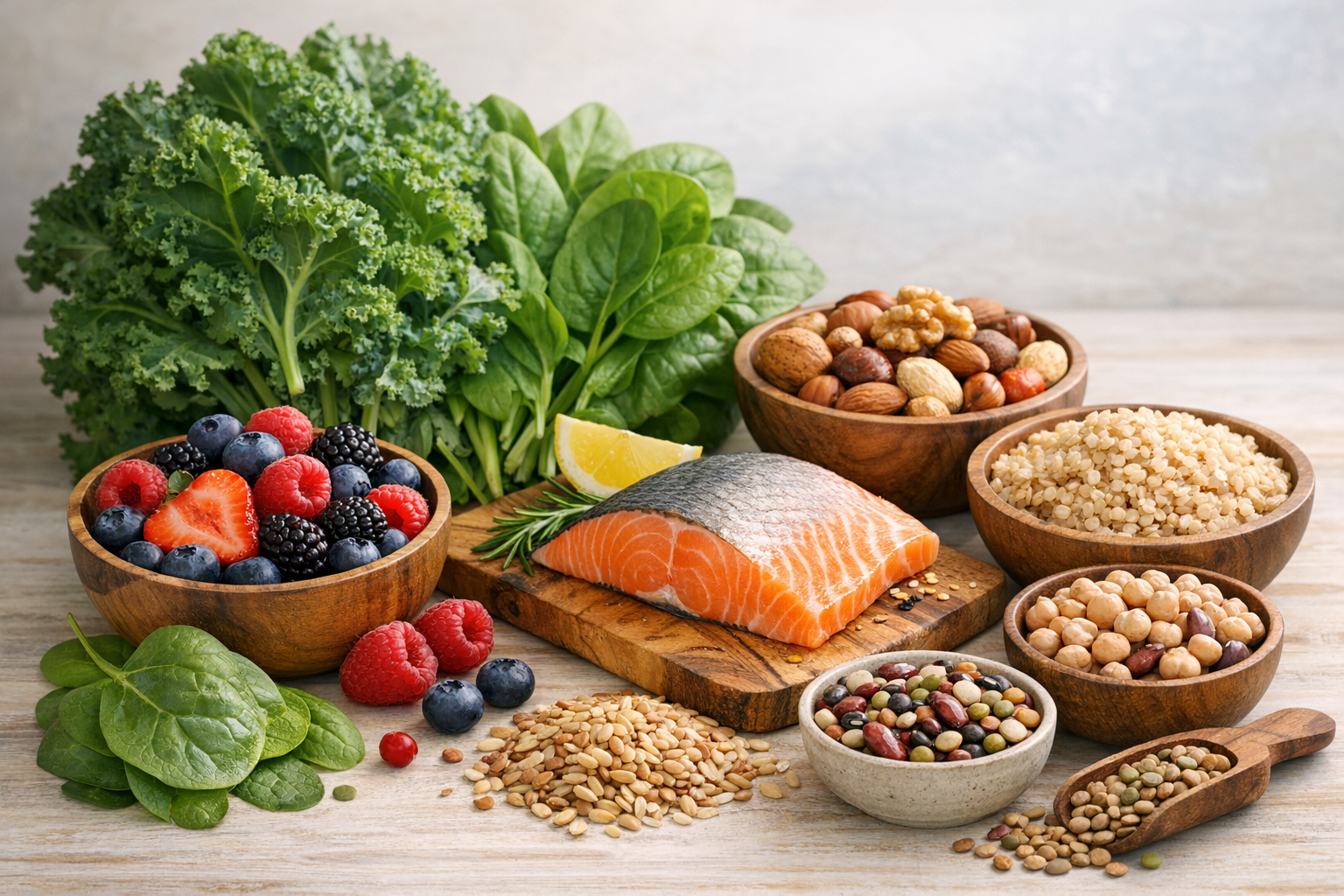
Some research suggests that certain foods may help your body use insulin more effectively. While no single food will dramatically change your A1C, incorporating these regularly may support your overall efforts:
- Leafy greens like spinach and kale are low in calories and carbohydrates but rich in vitamins and minerals
- Berries contain antioxidants called anthocyanins that may improve insulin response
- Fatty fish provides omega-3 fatty acids that support heart health and may reduce inflammation
- Cinnamon has shown promise in some studies for improving insulin sensitivity
- Vinegar, particularly apple cider vinegar, may help reduce blood sugar spikes when consumed with meals
Practical Meal Planning Strategies for Lower A1C
Knowing which foods support healthy blood sugar is one thing. Putting it into practice is another. These meal planning strategies can help you build sustainable habits.
The Plate Method for Diabetes Meal Planning
The plate method is a simple visual approach that helps you create balanced meals without needing to count calories or carbohydrates precisely.
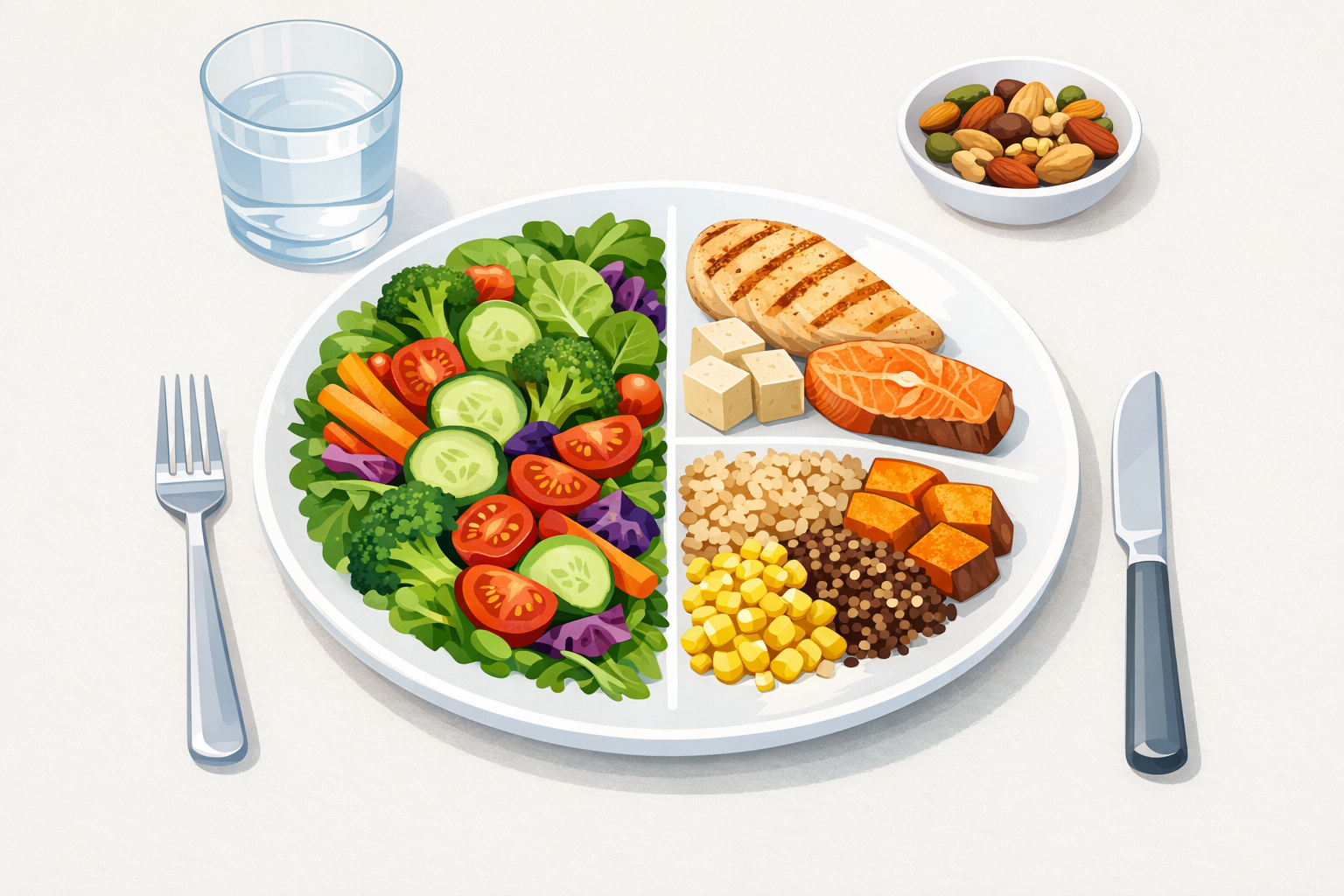
To use the plate method:
- Fill half your plate with non-starchy vegetables such as salad greens, broccoli, green beans, or tomatoes
- Fill one quarter with lean protein like grilled chicken, baked fish, or tofu
- Fill one quarter with whole grains or starchy foods like brown rice, quinoa, or sweet potato
- Add a small serving of fruit or dairy if desired
- Include water or another unsweetened beverage
Timing and Spacing of Meals
When you eat can be just as important as what you eat for blood sugar control. Eating at consistent times each day helps your body regulate blood sugar more effectively.
Many people with diabetes find success with:
- Eating breakfast within one to two hours of waking
- Spacing meals four to five hours apart
- Including a small snack if meals are more than five hours apart
- Avoiding large meals late in the evening
Portion Control Techniques
Managing portions does not mean you have to weigh and measure everything you eat. These simple techniques can help:
- Use smaller plates and bowls to make portions appear larger
- Start meals with a glass of water or a broth-based soup
- Fill half your plate with vegetables first
- Eat slowly and put your fork down between bites
- Stop eating when you feel about 80% full rather than stuffed
Sample Meal Ideas for Healthy A1C Levels
Breakfast options:
- Greek yogurt with berries and a sprinkle of nuts
- Veggie scramble with eggs, spinach, and bell peppers with a slice of whole grain toast
- Overnight oats made with rolled oats, ground flaxseed, and almond butter
Lunch options:
- Large salad with grilled chicken, mixed vegetables, and olive oil vinaigrette
- Turkey and avocado wrap in a whole wheat tortilla with carrot sticks
- Lentil soup with a side salad
Dinner options:
- Baked salmon with roasted broccoli and a small baked sweet potato
- Stir-fried tofu with mixed vegetables over brown rice
- Grilled chicken with sauteed zucchini and quinoa
Common Mistakes That Can Raise Your A1C
Even with the best intentions, certain habits can undermine your efforts to lower A1C naturally.
Hidden Sugars in Processed Foods
Many packaged foods contain added sugars under names you might not recognize. Look for ingredients like dextrose, maltose, cane juice, and rice syrup, which are all forms of added sugar.
Foods that often contain hidden sugars include:
- Pasta sauces and salad dressings
- Flavored yogurts
- Granola bars and cereals labeled "healthy"
- Condiments like ketchup and barbecue sauce
- Dried fruits and fruit snacks
Reading nutrition labels and choosing products with little to no added sugars can make a significant difference.
Inconsistent Meal Timing
Skipping meals or eating at irregular times can cause blood sugar fluctuations. When you skip a meal, you may overeat later or experience blood sugar drops followed by spikes. Your body thrives on routine.
Overlooking Beverage Choices
What you drink matters as much as what you eat. Beverages are often overlooked sources of sugar and empty calories.
Be mindful of:
- Regular soda and sweetened iced tea
- Fruit juice, even 100% juice
- Sweetened coffee drinks
- Energy drinks
- Alcohol, which can cause unpredictable blood sugar changes
Water should be your primary beverage. Unsweetened tea, black coffee, and sparkling water are also good options.
Skipping Meals and Blood Sugar Effects
Some people believe skipping meals will help lower blood sugar, but this strategy often backfires. Skipping meals can lead to:
- Blood sugar drops that trigger overeating later
- Increased production of glucose by the liver
- Difficulty managing portion sizes at the next meal
- Greater blood sugar variability throughout the day
Lifestyle Factors Beyond Food That Affect A1C
While diet plays a central role in blood sugar management, other lifestyle factors significantly influence your A1C.
How Physical Activity Helps Lower A1C
Exercise helps your muscles use glucose for energy, which can lower blood sugar during and after activity. Regular physical activity can improve insulin sensitivity for up to 48 hours after exercising.
Aim for:
- At least 150 minutes of moderate aerobic activity per week, such as brisk walking
- Resistance training two to three times per week
- Breaking up prolonged sitting with short movement breaks
Start where you are and gradually increase your activity level. Even a 10-minute walk after meals can help reduce blood sugar spikes.
Stress Management and Blood Sugar
Chronic stress triggers the release of hormones like cortisol and adrenaline, which can raise blood sugar levels. Stress may also lead to emotional eating or disrupted sleep, further affecting glucose control.
Consider incorporating stress-reduction techniques:
- Deep breathing exercises
- Meditation or mindfulness practice
- Gentle yoga or stretching
- Spending time in nature
- Connecting with supportive friends or family
Sleep Quality and Glucose Control
Poor sleep affects hormones that regulate hunger and blood sugar. Even one night of inadequate sleep can reduce insulin sensitivity.
For better sleep:
- Aim for seven to eight hours per night
- Keep a consistent sleep schedule
- Create a cool, dark, quiet bedroom environment
- Avoid screens for at least an hour before bed
- Limit caffeine after mid-afternoon
Working with Healthcare Providers for A1C Management
You do not have to navigate blood sugar management alone. Building a supportive healthcare team can improve your outcomes significantly.
When to Consult a Registered Dietitian
A registered dietitian can help you create a personalized eating plan that considers your food preferences, cultural background, schedule, and health goals. Consider seeking professional guidance if:
- Your A1C is not improving despite your efforts
- You are unsure how to plan balanced meals
- You have other health conditions that complicate dietary choices
- You feel overwhelmed or confused by conflicting nutrition information
- You want accountability and ongoing support
How Nutrition Supports Medical Treatment
Diet and medication work together for many people with diabetes. Nutrition should be viewed as a foundation that supports, not replaces, any medications your doctor has prescribed.
Never adjust or stop medications without consulting your healthcare provider. As you make dietary improvements, your medication needs may change, but this should always be done under medical supervision.
Monitoring Progress Beyond A1C
While A1C is an important marker, it does not tell the whole story. Other ways to track your progress include:
- Daily blood sugar monitoring as recommended by your doctor
- How you feel day to day, including energy levels and mood
- Blood pressure and cholesterol levels
- Weight changes if weight management is a goal
- Quality of life and relationship with food

How Long Does It Take to Lower A1C?
This is one of the most common questions people ask, and the answer varies by individual. Because A1C reflects your average blood sugar over two to three months, meaningful changes typically take at least three months to show up in your results.
Some people see improvements sooner, while others need more time. Factors that influence how quickly A1C changes include:
- Your starting A1C level
- How significantly you change your diet and lifestyle
- Whether you are also taking medications
- Your age and overall health
- Genetic factors
Be patient with yourself. Sustainable changes are more valuable than rapid ones that you cannot maintain.
Getting Personalized Support for Your Journey
Managing blood sugar through diet is a skill that develops over time. While this guide provides a strong foundation, personalized guidance from a registered dietitian can help you navigate challenges and create a plan tailored to your unique needs.
Kukta AI connects you with qualified, registered dietitians who specialize in diabetes nutrition. Unlike generic calorie-tracking apps that rely solely on artificial intelligence, Kukta AI empowers real dietitians with modern technology so they can provide you with personalized, evidence-based guidance. You deserve support from a knowledgeable professional who understands that managing blood sugar is about more than just counting carbohydrates.
Always consult your healthcare team before making significant changes to your diet or lifestyle, especially if you are taking medications for diabetes or other conditions.
Lowering your A1C naturally is possible with consistent, sustainable changes. Start with one or two strategies from this guide, build on your progress, and reach out for professional support when you need it. Your health journey is worth the investment.