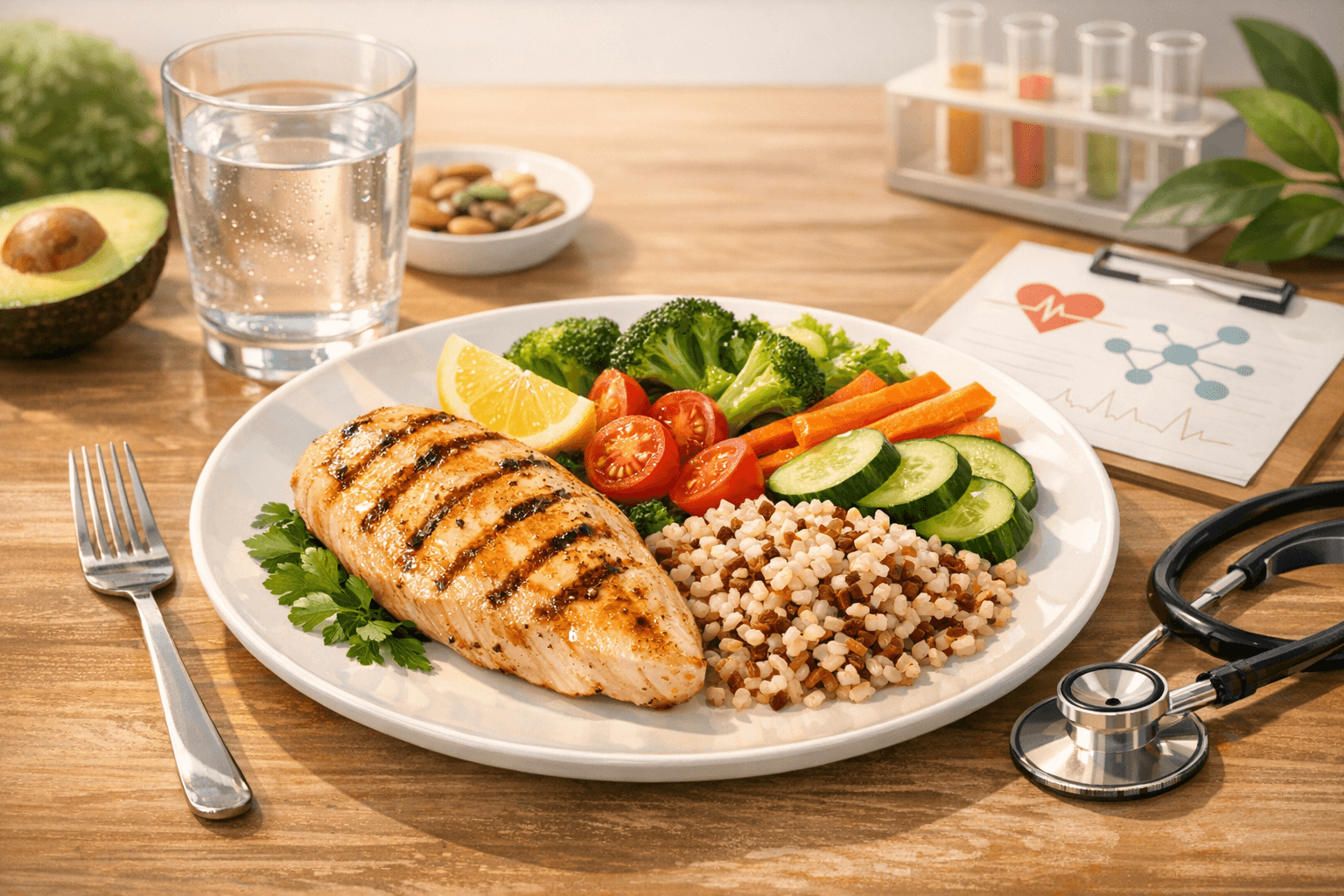
If you have recently started taking a GLP-1 medication like Ozempic, Wegovy, or Trulicity, you may be feeling a mix of emotions. Hope, certainly, as these medications have helped many people manage their weight and blood sugar. But also uncertainty about what eating should look like now. The appetite suppression, the digestive changes, the advice coming from every direction can feel overwhelming. You are not alone in wondering how to nourish your body well while on this journey.
This guide will walk you through the science-backed nutrition strategies that can help you feel your best while taking GLP-1 receptor agonists. You will learn what to eat, what to limit, and how to manage common side effects so you can work with your medication, not against it.
How GLP-1 Medications Work and Why Diet Matters
GLP-1 receptor agonists work by mimicking a hormone your body naturally produces called glucagon-like peptide-1. This hormone plays several important roles: it signals fullness to your brain, slows down how quickly food leaves your stomach, and helps your body release insulin in response to meals.
These medications are not a free pass to eat whatever you want. In fact, what you eat matters more than ever. Because your appetite is reduced, every bite needs to count nutritionally. The foods you choose will determine whether you lose fat or muscle, whether you experience uncomfortable side effects, and whether you develop nutrient deficiencies over time.
The Importance of Preserving Muscle Mass
One of the biggest concerns with any weight loss is the potential for muscle loss. When you eat less, your body may break down muscle tissue for energy alongside fat. This is why protein intake is absolutely critical while taking GLP-1 medications.
Muscle does more than keep you strong. It supports your metabolism, helps regulate blood sugar, protects your bones, and makes daily activities easier. Losing muscle during weight loss can lead to a slower metabolism, making it harder to maintain your results long-term.
Foods to Prioritize on GLP-1 Medications
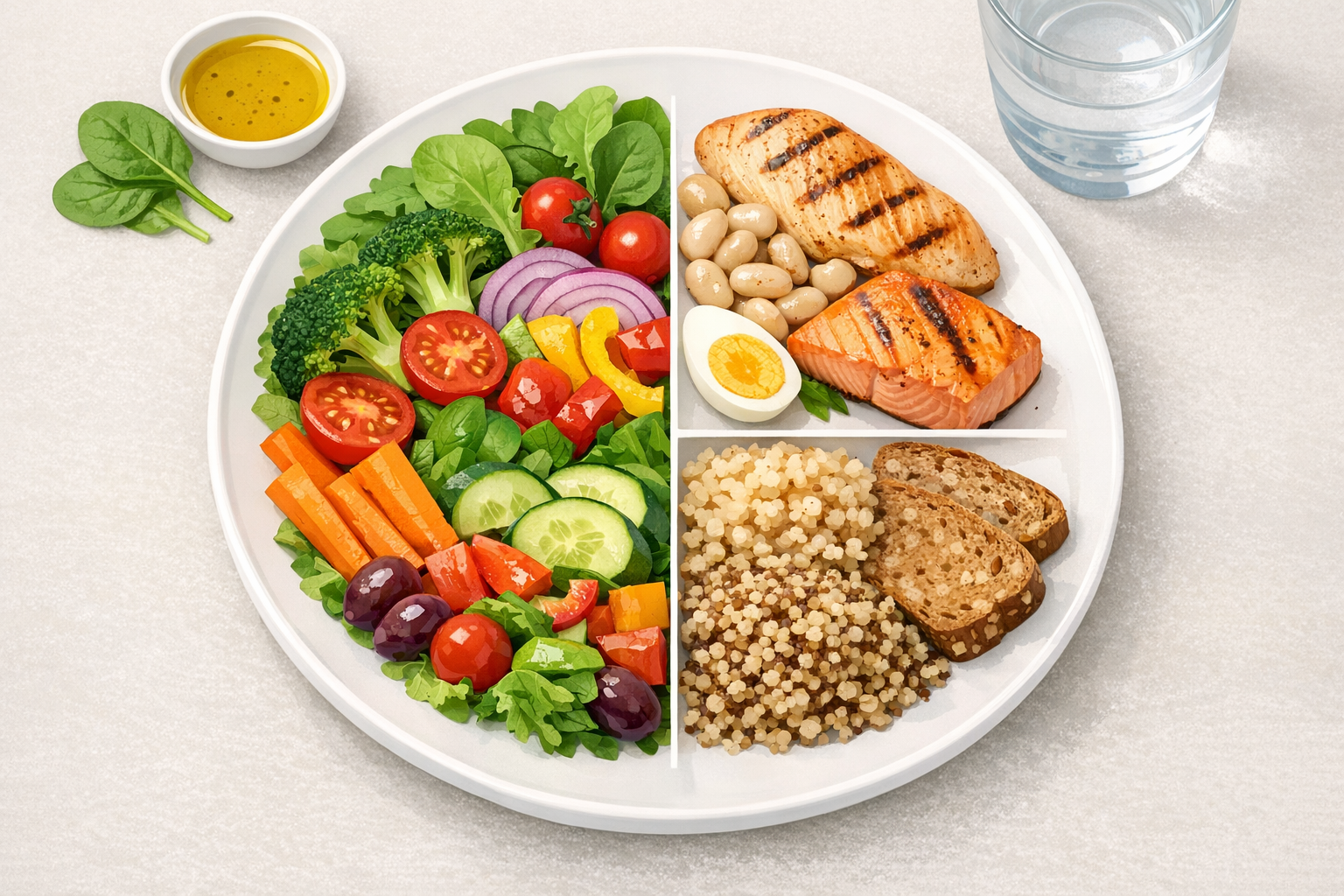
High-Protein Foods for Muscle Preservation
When your appetite is suppressed, protein needs to be a priority at every meal. Aim for 20-30 grams of protein per meal if possible, or spread your intake across smaller, more frequent eating occasions.
Good protein sources include:
- Greek yogurt (15-20 grams per cup)
- Eggs (6 grams each)
- Cottage cheese (14 grams per half cup)
- Lean chicken or turkey (25-30 grams per 3-ounce serving)
- Fish like salmon, tuna, or cod (20-25 grams per 3-ounce serving)
- Lean beef (22 grams per 3-ounce serving)
- Beans and lentils (12-15 grams per cup)
- Tofu and tempeh (10-15 grams per serving)
- Protein powder (20-30 grams per scoop, useful when appetite is very low)
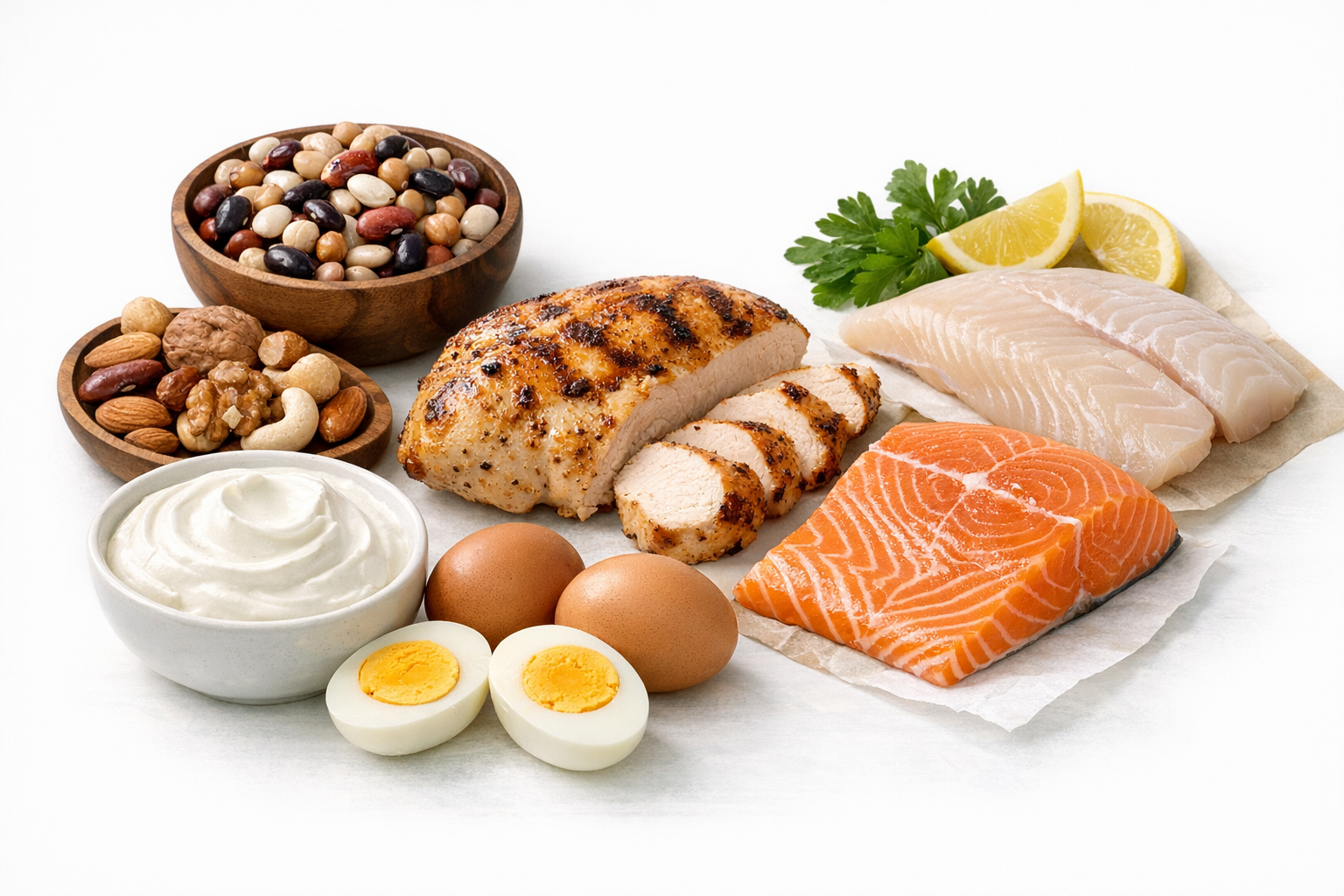
Fiber-Rich Foods for Digestive Health
GLP-1 medications slow digestion, which can sometimes lead to constipation. Fiber helps keep things moving and supports the beneficial bacteria in your gut. Aim for 25-35 grams of fiber daily, but increase gradually to avoid gas and bloating.
Fiber-rich foods to include:
- Vegetables: Broccoli, Brussels sprouts, carrots, leafy greens
- Fruits: Berries, apples, pears (with skin)
- Whole grains: Oats, quinoa, brown rice, whole wheat bread
- Legumes: Beans, lentils, chickpeas
- Nuts and seeds: Almonds, chia seeds, flaxseeds
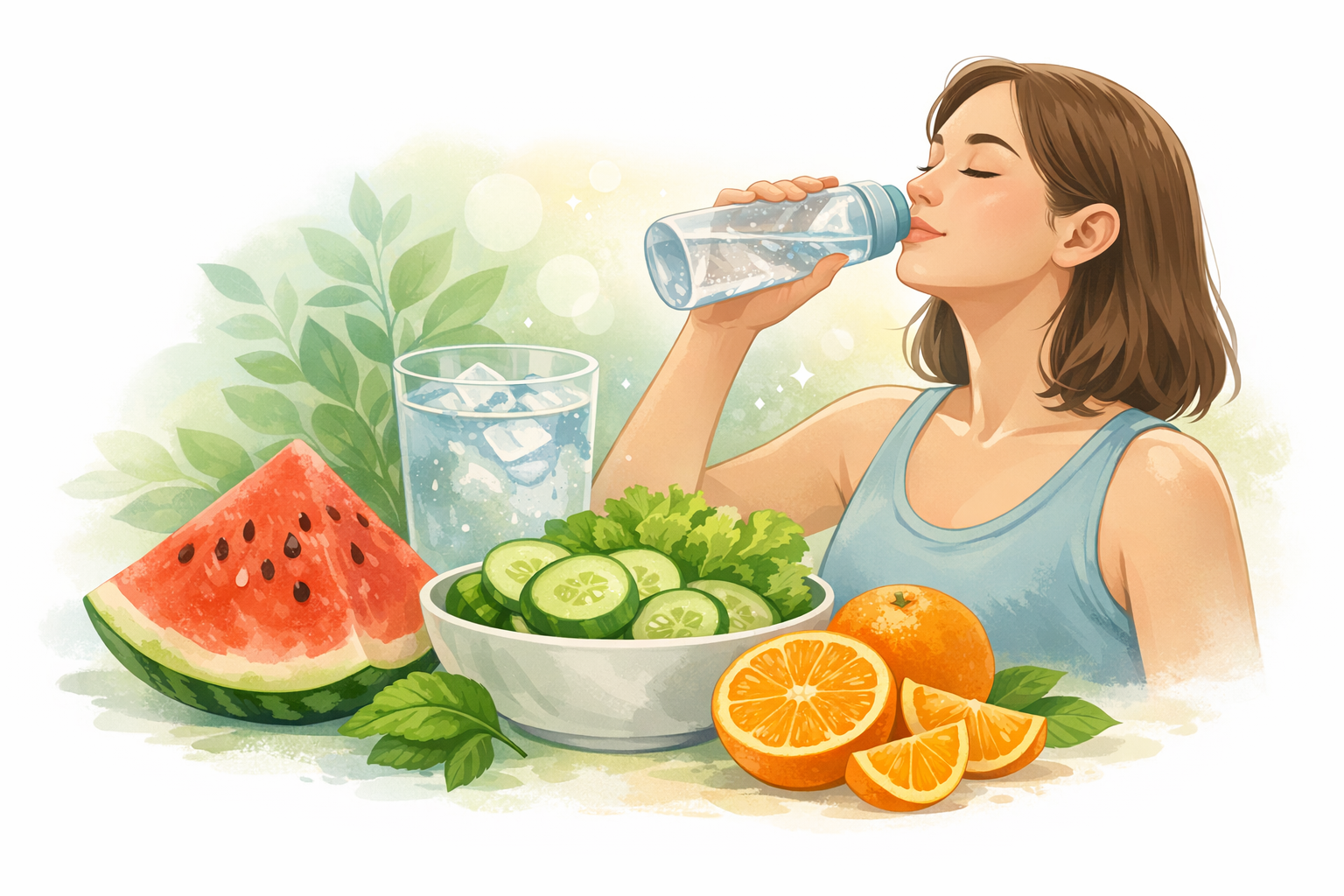
Hydration: A Critical Piece
Water is absolutely essential while taking GLP-1 medications. Dehydration worsens nausea, contributes to constipation, and can leave you feeling fatigued and foggy. Because you are eating less, you are also getting less water from food.
Aim for at least 8 cups (64 ounces) of fluid daily, more if you are active or in hot weather. Water is ideal, but herbal teas and clear broths count toward your intake.
Nutrient-Dense Foods to Prevent Deficiencies
When you eat less, getting adequate vitamins and minerals becomes challenging. Focus on nutrient-dense foods that pack a lot of nutrition into smaller portions:
- Leafy greens for folate, vitamin K, and magnesium
- Colorful vegetables for antioxidants and vitamin C
- Fatty fish for omega-3s and vitamin D
- Dairy or fortified alternatives for calcium
- Lean meats for iron and B vitamins
- Nuts and seeds for healthy fats and minerals
Your healthcare provider may also recommend a multivitamin to fill nutritional gaps.
Foods to Limit or Avoid While on GLP-1 Medications
High-Fat and Greasy Foods
Fried foods, fast food, heavy cream sauces, and fatty cuts of meat sit in your stomach longer due to how GLP-1 medications slow digestion. This can lead to severe nausea, bloating, and even vomiting. Many people describe feeling uncomfortably full for hours after eating high-fat meals.
Foods to limit:
- Fried chicken, French fries, onion rings
- Pizza with heavy cheese and greasy toppings
- Cream-based soups and sauces
- Fatty cuts of beef and pork
- Butter-heavy dishes
Sugary Foods and Blood Sugar Control
While GLP-1 medications help regulate blood sugar, eating large amounts of added sugar can still cause spikes and crashes. More importantly, sugary foods provide calories without nutrition, which works against your goals when your appetite is limited.
Be mindful of:
- Regular sodas and sweetened beverages
- Candy and sweets
- Pastries, cakes, and cookies
- Sweetened breakfast cereals
Alcohol Considerations
Alcohol can be problematic for several reasons. It may worsen nausea, interfere with blood sugar control, and provide empty calories. If you choose to drink, do so in moderation and never on an empty stomach. Be aware that some people find they cannot tolerate alcohol at all while on these medications.
Highly Processed Foods
Processed foods tend to be high in sodium, unhealthy fats, and added sugars while being low in the protein and fiber you need. They are easy to overeat, which can lead to discomfort when your stomach is slower to empty.
Managing Common GLP-1 Side Effects Through Diet
Nausea: What Helps and What Hurts
Nausea is one of the most common side effects, especially in the first few weeks. These strategies can help:
Foods that may help:
- Plain crackers or dry toast
- Ginger tea or ginger chews
- Peppermint tea
- Bland, low-fat foods like rice, bananas, or applesauce
- Small sips of cold water or electrolyte drinks
Foods to avoid when nauseous:
- Strong-smelling or spicy foods
- High-fat or greasy foods
- Large portions
- Lying down immediately after eating
Constipation: Fiber and Hydration Strategies
The slowed digestion from GLP-1 medications often leads to constipation. Prevention is easier than treatment:
- Drink plenty of water throughout the day
- Eat fiber-rich foods at every meal
- Consider a fiber supplement like psyllium husk (check with your doctor)
- Stay physically active, even with gentle walking
- Respond to urges to use the bathroom promptly
Loss of Appetite: Ensuring Adequate Nutrition
When eating feels like a chore, nutrition often suffers. Here is how to cope:
- Make every bite count by choosing nutrient-dense, protein-rich foods
- Use smaller plates so portions look more manageable
- Set reminders to eat if you genuinely forget
- Consider a protein shake when solid food is unappealing
- Keep easy options on hand like Greek yogurt, cheese sticks, or hard-boiled eggs
Managing Dumping Syndrome-Like Symptoms
Some people experience symptoms similar to "dumping syndrome" when they eat too much sugar or large portions. This includes sweating, rapid heartbeat, dizziness, and diarrhea. Prevention involves eating small portions, avoiding high-sugar foods, and not drinking large amounts of liquid with meals.
Meal Timing and Portion Strategies
Smaller, More Frequent Meals
Many people find that eating 4-6 small meals works better than three large ones. This reduces nausea, prevents that overly stuffed feeling, and helps you meet your protein needs without forcing large portions.
Eating Slowly and Mindfully
Because GLP-1 medications help you feel full faster, eating slowly gives your brain time to register satisfaction. Put your fork down between bites, chew thoroughly, and minimize distractions while eating. Stop when you feel comfortably satisfied, not stuffed.
Listening to Your Body's New Signals
Your relationship with hunger and fullness has changed. You may not feel ravenous hunger anymore, and fullness arrives much sooner than before. This is the medication working as intended. Honor these signals rather than forcing yourself to eat past comfort.
Sample Meal Ideas for GLP-1 Patients
Protein-Rich Breakfast Options
- Greek yogurt parfait: Greek yogurt with berries and a sprinkle of nuts
- Egg scramble: 2 eggs with vegetables and a slice of whole grain toast
- Overnight oats: Made with protein powder for extra nutrition
- Cottage cheese bowl: With fruit and a drizzle of honey
Simple Lunch and Dinner Ideas
- Grilled chicken salad: Lean protein over mixed greens with olive oil dressing
- Salmon with roasted vegetables: A 3-4 ounce portion with broccoli or asparagus
- Turkey and avocado wrap: In a whole grain tortilla with vegetables
- Bean and vegetable soup: With a side of whole grain bread
- Stir-fry: Lean protein with lots of vegetables over a small portion of brown rice
Snack Suggestions for Low Appetite
- Hard-boiled eggs
- String cheese with a few crackers
- A handful of nuts
- Greek yogurt cup
- Apple slices with peanut butter
- Protein shake or bar (for when eating is truly difficult)
Long-Term Nutrition Considerations
Preventing Nutrient Deficiencies
Long-term use of GLP-1 medications requires attention to potential deficiencies. Regular blood work can help your healthcare team monitor levels of:
- Vitamin B12
- Vitamin D
- Iron
- Calcium
- Magnesium
Work with a registered dietitian to adjust your diet or supplementation as needed.
Working with a Registered Dietitian
Nutrition guidance on GLP-1 medications is not one-size-fits-all. Your needs depend on your health history, other medications, activity level, and personal preferences. A registered dietitian can create a personalized plan that helps you meet your goals while minimizing side effects.
Transitioning Off Medication
If and when you transition off GLP-1 medication, maintaining results requires sustainable habits built during treatment. The eating patterns you establish now, like prioritizing protein and eating mindfully, become the foundation for long-term success.
Getting Personalized Support
Navigating nutrition while on GLP-1 medications can feel complicated, but you do not have to figure it out alone. Working with a registered dietitian who understands these medications can make a significant difference in your experience and outcomes.
Kukta AI connects you with qualified, registered dietitians who specialize in medication-related nutrition counseling. Their dietitians are supported by AI technology that helps them provide modern, evidence-based guidance tailored to your specific needs. Unlike generic calorie-tracking apps that offer only AI-generated advice, Kukta AI ensures you work with a real, vetted professional who can adjust your plan based on your unique response to medication, side effects, and lifestyle.
Final Thoughts
Taking a GLP-1 medication is a significant step toward better health, and what you eat matters more than ever during this journey. Focus on protein at every meal, stay well hydrated, choose fiber-rich foods, and be gentle with yourself as you adjust to your body's new signals.
Everyone responds differently to these medications. What works for one person may not work for you, and that is okay. Always consult with your healthcare provider and a registered dietitian for personalized guidance. They can help you navigate side effects, adjust your eating plan, and ensure you are getting the nutrition you need to thrive.
You deserve support from professionals who understand both the science and the real-life experience of taking these medications. With the right guidance and a thoughtful approach to nutrition, you can feel your best while working toward your health goals.