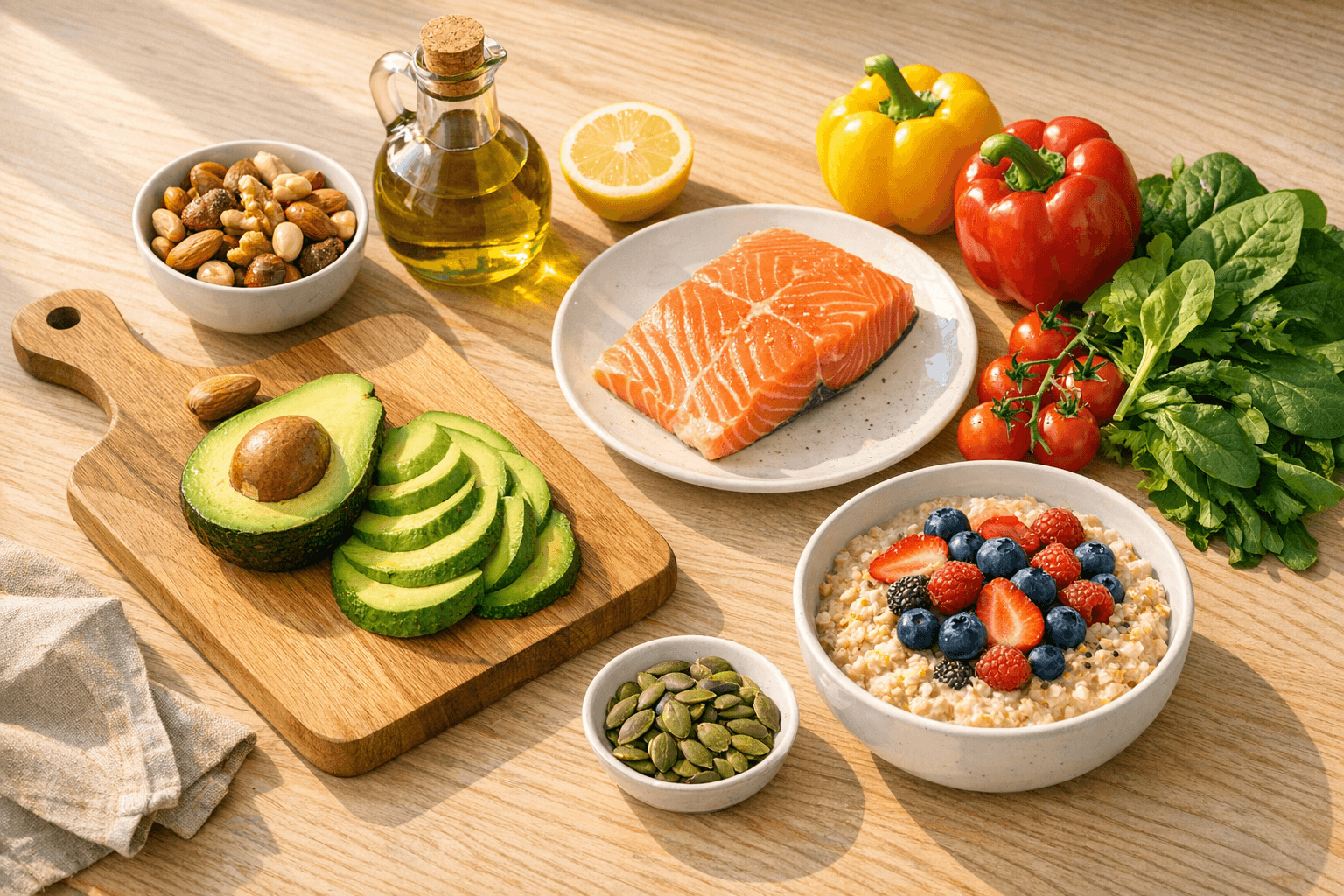
Cholesterol-Lowering Diet: Foods to Eat and Avoid for Better Heart Health
Receiving blood test results showing elevated cholesterol can feel overwhelming. You might find yourself staring at the numbers, wondering what went wrong and how to fix it. The good news is that what you eat has a powerful influence on your cholesterol levels, and small, consistent changes can make a meaningful difference.
You do not need to overhaul your entire life overnight. This guide will walk you through the science behind cholesterol and give you practical, realistic strategies you can start using today.
Understanding Cholesterol: HDL vs LDL Explained
Cholesterol often gets a bad reputation, but your body actually needs it to build cells and produce certain hormones. The problem arises when you have too much of the wrong kind circulating in your blood.
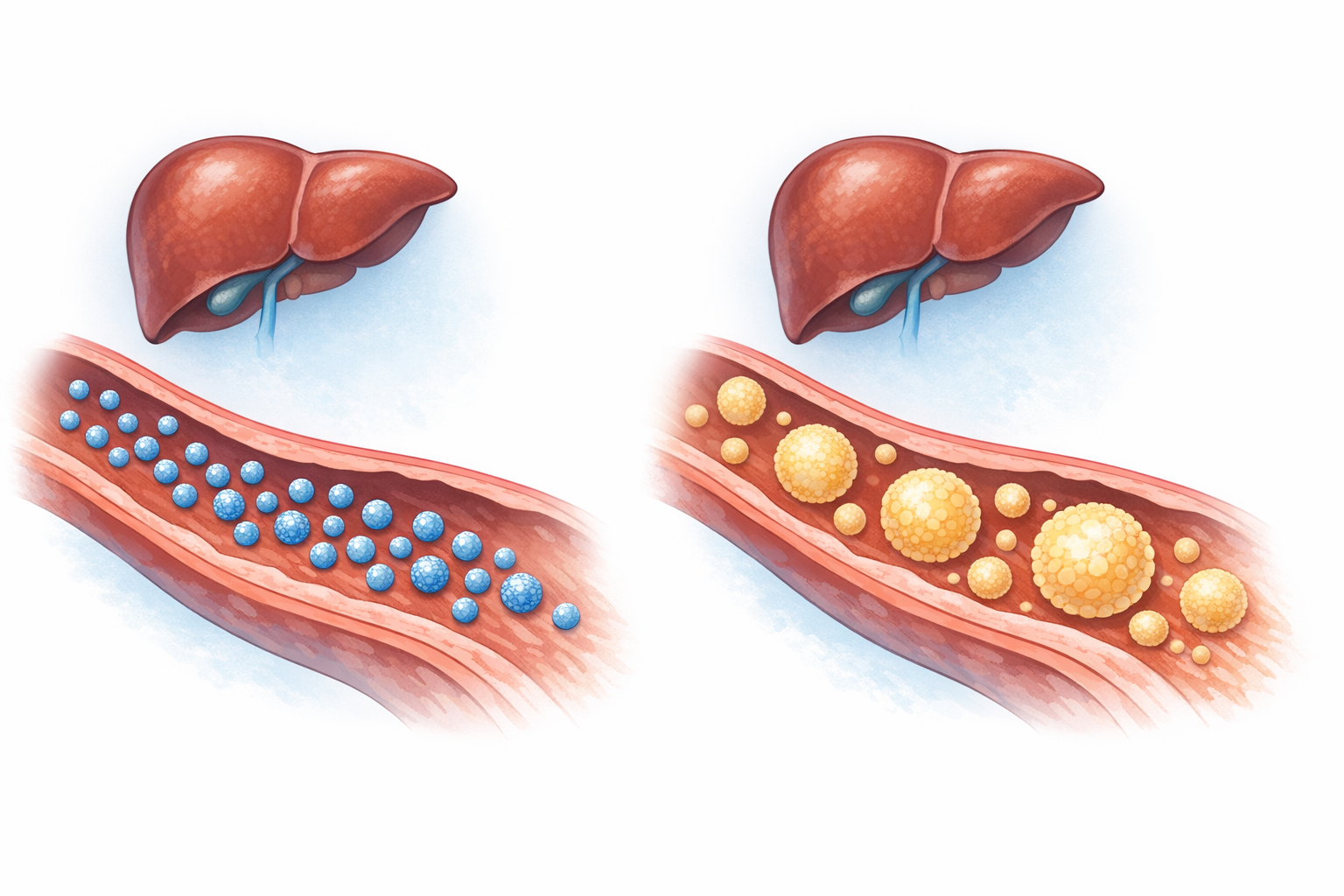
LDL (low-density lipoprotein) is commonly called "bad" cholesterol because it can build up in your artery walls, forming plaque that narrows blood vessels and increases your risk of heart disease and stroke.
HDL (high-density lipoprotein) is known as "good" cholesterol because it acts like a cleanup crew, picking up excess cholesterol from your bloodstream and transporting it to your liver for removal.
What Cholesterol Numbers Should You Aim For?
General guidelines suggest the following targets for most adults, though your doctor may recommend different goals based on your overall health:
- Total cholesterol: Below 200 mg/dL
- LDL cholesterol: Below 100 mg/dL (or below 70 mg/dL if you have existing heart disease or diabetes)
- HDL cholesterol: Above 60 mg/dL is considered protective
- Triglycerides: Below 150 mg/dL
Always discuss your results with your healthcare provider, who can interpret them in the context of your complete health picture.
How Diet Affects Cholesterol Levels
Understanding how food influences your cholesterol empowers you to make informed choices. The relationship between diet and cholesterol is more nuanced than simply "eating cholesterol raises cholesterol."
The Role of Saturated and Trans Fats
Saturated fats are the primary dietary driver of elevated LDL cholesterol. Found primarily in animal products like fatty beef, butter, and full-fat dairy, these fats signal your liver to produce more cholesterol.
Trans fats are even more concerning. They not only raise LDL cholesterol but also lower protective HDL cholesterol. Though largely phased out of processed foods, small amounts may still appear in some baked goods and fried foods.
Why Dietary Cholesterol Matters Less Than Once Thought
For decades, doctors warned against eating eggs and other cholesterol-rich foods. Research now shows that for most people, the cholesterol you eat has a modest effect on blood cholesterol compared to saturated and trans fats. Your liver regulates cholesterol production, and when you eat more, your body typically produces less.
However, some people are "hyper-responders" whose blood cholesterol does increase significantly with dietary cholesterol. This is why working with a dietitian can help you understand your individual response.
The Power of Soluble Fiber
Soluble fiber acts like a sponge for cholesterol in your digestive system. It binds to cholesterol-rich bile acids and removes them from your body, which forces your liver to pull cholesterol from your bloodstream to make more bile.
Getting 5-10 grams of soluble fiber daily can lower LDL cholesterol by 5-11%.
Plant Sterols and Stanols
These naturally occurring compounds, found in small amounts in plants, have a structure similar to cholesterol. They compete with cholesterol for absorption in your digestive tract, blocking the absorption of dietary cholesterol by 30-50%.
Many foods are now fortified with plant sterols and stanols, including certain margarines, orange juice, and yogurt drinks.
Foods That Help Lower Cholesterol Naturally
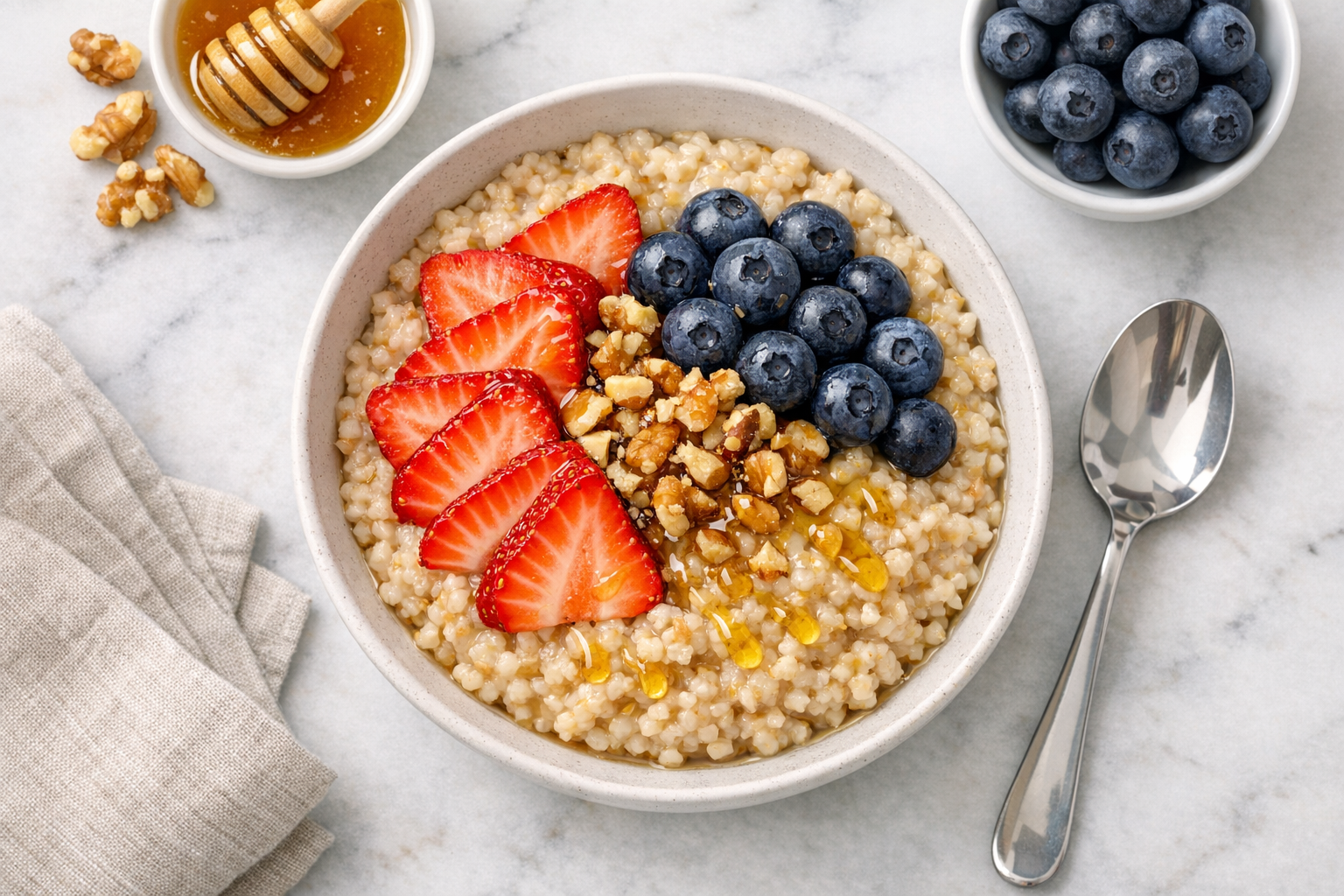
Incorporating these heart-healthy foods into your daily routine can help lower your LDL cholesterol and support overall cardiovascular health.
Oats and Oatmeal
Oats contain beta-glucan, a type of soluble fiber that has been extensively studied for its cholesterol-lowering effects. Starting your day with a bowl of oatmeal can reduce LDL cholesterol by 5-10% over several weeks.
Serving suggestion: Aim for 1.5 cups of cooked oatmeal (about 3 grams of beta-glucan) daily. Add berries and a handful of nuts for extra fiber and healthy fats.
Fatty Fish
Salmon, mackerel, sardines, and tuna are rich in omega-3 fatty acids, which don't directly lower LDL but can raise HDL cholesterol and reduce inflammation. Omega-3s also help lower triglycerides.
Serving suggestion: Eat fatty fish twice per week. A 3-4 ounce serving provides significant omega-3s.
Nuts
Almonds and walnuts have the strongest research backing for heart health. They contain unsaturated fats, fiber, and plant sterols.
Serving suggestion: A small handful (about 1 ounce or 23 almonds) daily. Choose unsalted, raw or dry-roasted varieties.
Olive Oil
Extra virgin olive oil is a cornerstone of the Mediterranean diet, which is associated with lower heart disease risk. It contains monounsaturated fats and antioxidants that help protect LDL cholesterol from oxidation.
Serving suggestion: Use 2 tablespoons daily in place of butter or other saturated fats. Drizzle on vegetables or use for sauteing.
Beans and Legumes
Black beans, kidney beans, lentils, and chickpeas are excellent sources of soluble fiber and plant protein. Eating one cup of beans daily can lower LDL cholesterol by about 5%.
Serving suggestion: Add beans to soups, salads, or prepare as a side dish. Try hummus as a vegetable dip.
Avocados
Avocados provide monounsaturated fats and fiber. Studies show that eating one avocado daily as part of a heart-healthy diet can lower LDL cholesterol.
Serving suggestion: Add half an avocado to salads, spread on whole-grain toast, or blend into smoothies.
Fruits Rich in Pectin
Apples, citrus fruits, and berries contain pectin, a type of soluble fiber that helps lower cholesterol.
Serving suggestion: Aim for 2-3 servings of fruit daily. Eat whole fruits rather than drinking juice to get the full fiber benefit.
Vegetables
All vegetables support heart health, but okra, eggplant, and Brussels sprouts are particularly high in soluble fiber.
Serving suggestion: Fill half your plate with vegetables at lunch and dinner.
Whole Grains
Brown rice, quinoa, barley, and whole-wheat products provide fiber and nutrients stripped from refined grains.
Serving suggestion: Make at least half your grain servings whole grains. Look for "whole" as the first ingredient on bread and cereal labels.

Foods to Limit or Avoid for High Cholesterol
Knowing what to avoid is just as important as knowing what to eat. Here are the main culprits that can raise your LDL cholesterol.
Red Meat and Processed Meats
Beef, pork, and lamb contain saturated fat. Processed meats like bacon, sausage, and hot dogs are particularly concerning because they often contain both saturated fat and sodium.
Smart swaps: Choose skinless poultry, fish, or plant-based proteins. If you eat red meat, limit it to occasional servings of 3-4 ounces and choose lean cuts.
Full-Fat Dairy Products
Whole milk, cheese, butter, and cream are significant sources of saturated fat.
Smart swaps: Switch to low-fat or fat-free dairy. Try Greek yogurt, which is higher in protein. Use olive oil instead of butter for cooking.
Fried Foods
French fries, fried chicken, and other deep-fried foods are often high in both saturated and trans fats.
Smart swaps: Bake, roast, grill, or air-fry instead. You can achieve crispy textures without deep frying.
Baked Goods with Trans Fats
Some commercially prepared cookies, crackers, cakes, and pastries may still contain trans fats.
Smart swaps: Read labels carefully and avoid products with "partially hydrogenated oils." Make homemade treats using heart-healthy oils.
Tropical Oils
Coconut oil and palm oil are plant-based but high in saturated fat. Despite marketing claims, coconut oil raises LDL cholesterol similarly to butter.
Smart swaps: Use olive oil, canola oil, or avocado oil for cooking.
Sample Day of Heart-Healthy Eating
Here is what a day of cholesterol-friendly eating might look like in practice.
Breakfast
- 1.5 cups cooked oatmeal topped with 1/2 cup blueberries and 1 tablespoon chopped walnuts
- 1 cup unsweetened almond milk or skim milk
Lunch
- Grilled salmon salad with mixed greens, cherry tomatoes, cucumber, and 1/4 avocado
- Homemade vinaigrette with olive oil and lemon juice
- 1 slice whole-grain bread
Afternoon Snack
- Small apple with 1 tablespoon almond butter
Dinner
- 1 cup lentil soup
- Roasted vegetables (Brussels sprouts, carrots, and onions) with olive oil
- 1/2 cup cooked quinoa
Evening Snack
How Long Until You See Results from Diet Changes?
This is one of the most common questions, and the answer offers hope: dietary changes can start affecting your cholesterol within 2-4 weeks.
However, significant improvements typically take 3-6 months of consistent effort. Research shows that combining multiple dietary strategies, such as reducing saturated fat while increasing soluble fiber and plant sterols, produces the best results.
Consistency matters more than perfection. A single unhealthy meal will not derail your progress, just as a single healthy meal will not fix everything. Focus on your overall eating pattern over weeks and months.
If you do not see improvements after 3-6 months of consistent dietary changes, talk to your doctor. Genetics and other factors beyond diet may be influencing your cholesterol.
When to Seek Professional Guidance
Sometimes diet alone is not enough. Consider working with a registered dietitian if:
- Your cholesterol remains high despite dietary changes
- You have multiple chronic conditions that require careful nutritional management
- You feel overwhelmed or unsure about what to eat
- You have a family history of early heart disease
- Your doctor has recommended medication and you want to explore dietary options first
A registered dietitian can create a personalized plan tailored to your health needs, food preferences, and lifestyle. They can also help you interpret your lab results and track your progress.
Platforms like Kukta AI connect you with qualified, registered dietitians who specialize in heart health. Unlike generic calorie-tracking apps that only offer AI-generated advice, Kukta AI provides access to real dietitians who understand the complexity of managing chronic conditions. These professionals use modern technology to give you personalized, evidence-based guidance.
Small Changes Add Up to Big Results
Lowering your cholesterol through diet is not about deprivation or following a strict, joyless eating plan. It is about making thoughtful choices that nourish your body and protect your heart.
Start with one or two changes that feel manageable. Perhaps you swap butter for olive oil, add oatmeal to your morning routine, or include a serving of beans with dinner a few times per week. As these changes become habits, build on your progress.
Your heart will thank you for every positive choice you make. And remember, you do not have to figure this out alone. Consult with your healthcare provider or a registered dietitian for personalized guidance, and consider Kukta AI as a resource for connecting with dietitians who can support you on your journey to better heart health.
This article provides general educational information and is not a substitute for professional medical advice. Always consult your healthcare provider before making significant changes to your diet or exercise routine.