Carb Counting for Beginners: A Simple Guide to Managing Diabetes
If you have recently been diagnosed with diabetes or prediabetes, you may have heard that counting carbohydrates is important for managing your blood sugar. Perhaps your doctor mentioned it, or you read about it online. And now you are wondering how on earth you are supposed to keep track of every single thing you eat.
I want you to know that feeling overwhelmed is completely normal. Learning any new skill takes time, and carb counting is no different. The good news is that you do not need to become a math wizard or carry around a scale everywhere you go. With some practice and the right tools, carb counting can become second nature.
This guide will walk you through the basics of how to count carbs for diabetes, explain why carbohydrates matter for blood sugar control, and give you practical strategies you can start using today.
What Are Carbohydrates and Why Do They Matter for Blood Sugar?
Carbohydrates are one of the three main macronutrients your body uses for energy, alongside protein and fat. When you eat foods containing carbohydrates, your digestive system breaks them down into glucose, which is a type of sugar. This glucose enters your bloodstream and provides fuel for your cells.
For someone without diabetes, the body naturally regulates blood sugar by producing insulin, which helps move glucose from the blood into the cells. But when you have diabetes, this process does not work as smoothly. Your body either does not produce enough insulin or cannot use it effectively. This means that the carbohydrates you eat have a direct and significant impact on your blood sugar levels.
Simple vs. Complex Carbohydrates
Not all carbohydrates affect your blood sugar in the same way:
- Simple carbohydrates are broken down quickly by the body, causing blood sugar to rise rapidly. These include foods like candy, soda, white bread, and sugary snacks.
- Complex carbohydrates take longer to digest, leading to a more gradual rise in blood sugar. These include whole grains, beans, lentils, and starchy vegetables like sweet potatoes.
Choosing more complex carbohydrates can help you maintain steadier blood sugar levels throughout the day. However, both types of carbs still count toward your total carbohydrate intake and affect your blood sugar.
How Many Carbs Should a Diabetic Eat Per Meal?
One of the most common questions people ask when learning carb counting for diabetes is how many carbohydrates they should eat. The honest answer is that there is no single number that works for everyone.
A common starting point for many adults with diabetes is 45 to 60 grams of carbohydrates per meal, with 15 to 30 grams for snacks. However, your personal needs may be higher or lower depending on several factors.
Factors That Affect Your Personal Carb Needs
- Activity level: If you are more physically active, you may be able to tolerate more carbohydrates.
- Medications: Some diabetes medications affect how your body processes carbohydrates.
- Age and body weight: Your metabolism and nutritional needs change as you age.
- Blood sugar goals: Your healthcare provider may have specific targets for your A1C and daily readings.
- Weight management goals: If you are trying to lose weight, you may need fewer carbohydrates.
This is why working with a registered dietitian or certified diabetes educator is so valuable. They can help you determine the right carbohydrate range for your specific situation and adjust it as needed over time.
The Importance of Consistency
Many people find that eating roughly the same amount of carbohydrates at each meal from day to day helps keep blood sugar more predictable. Consistent carbohydrate intake can make it easier to identify patterns and adjust your management plan accordingly.
Three Methods of Carb Counting
There is more than one way to count carbohydrates, and you may find that different methods work better in different situations. Here are three approaches to consider.
Method 1: Using Nutrition Labels
Packaged foods have nutrition facts labels that make carb counting relatively straightforward. Here is a step-by-step approach:
- Find the serving size at the top of the label. All the information below is based on this amount.
- Locate "Total Carbohydrate" on the label. This number includes starches, sugars, and fiber.
- Note the serving size you actually eat. If you eat twice the serving size listed, you need to double the carbohydrate amount.
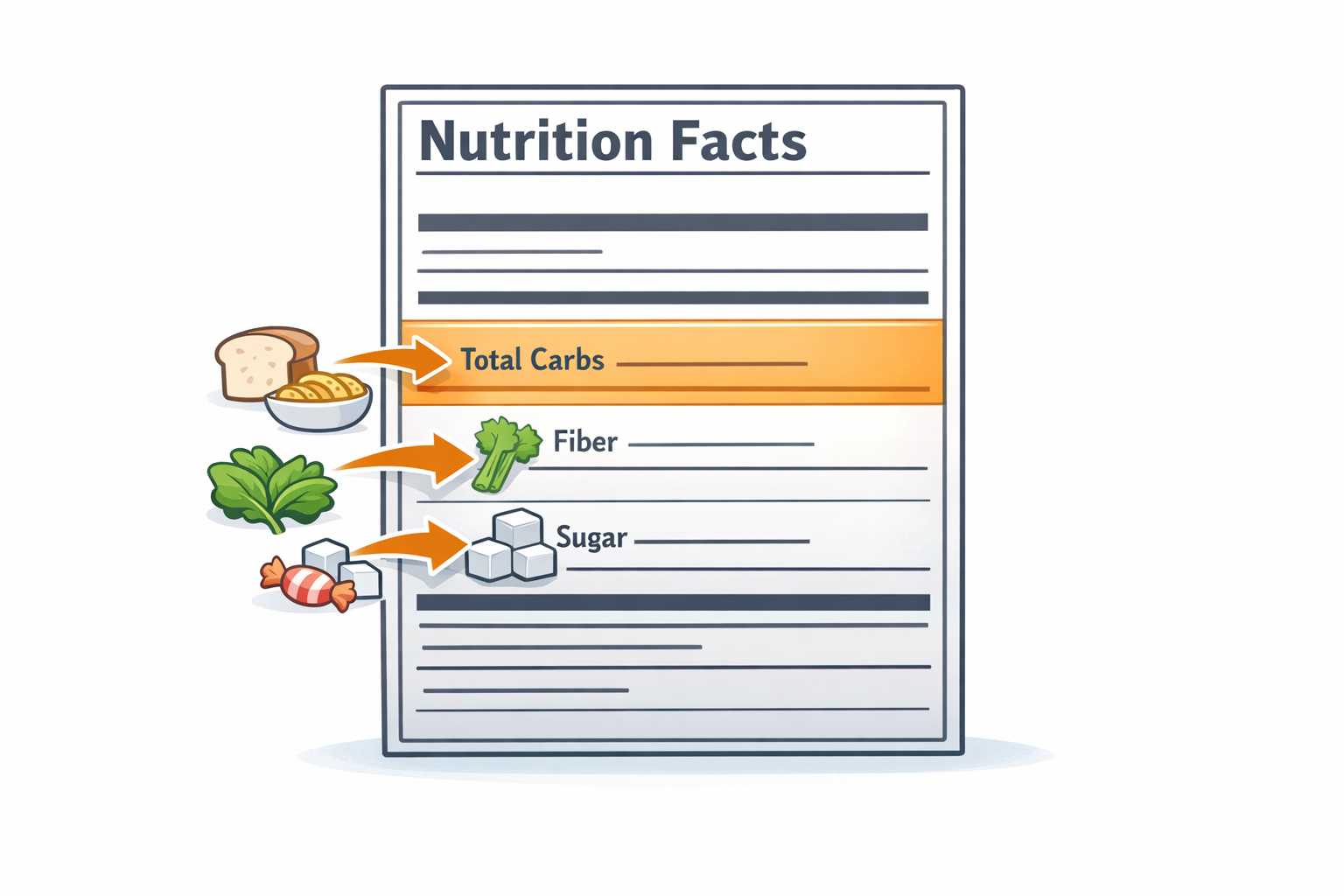
One important detail: some people subtract the fiber from the total carbohydrates to calculate "net carbs." Fiber is a type of carbohydrate that your body does not fully digest, so it has less impact on blood sugar. Talk to your dietitian about whether counting net carbs is right for you.
Method 2: Measuring Cups and Food Scales
For foods without labels, such as fresh fruits, vegetables, and grains you cook at home, measuring tools are incredibly helpful.
- Measuring cups work well for foods like rice, pasta, oatmeal, and breakfast cereal.
- A food scale provides the most accuracy, especially for foods where small differences in portion size can mean big differences in carb content.
You do not need to measure everything forever. Many people find that after a few weeks of measuring, they can estimate portions fairly accurately. But returning to measuring occasionally helps keep your estimates honest.
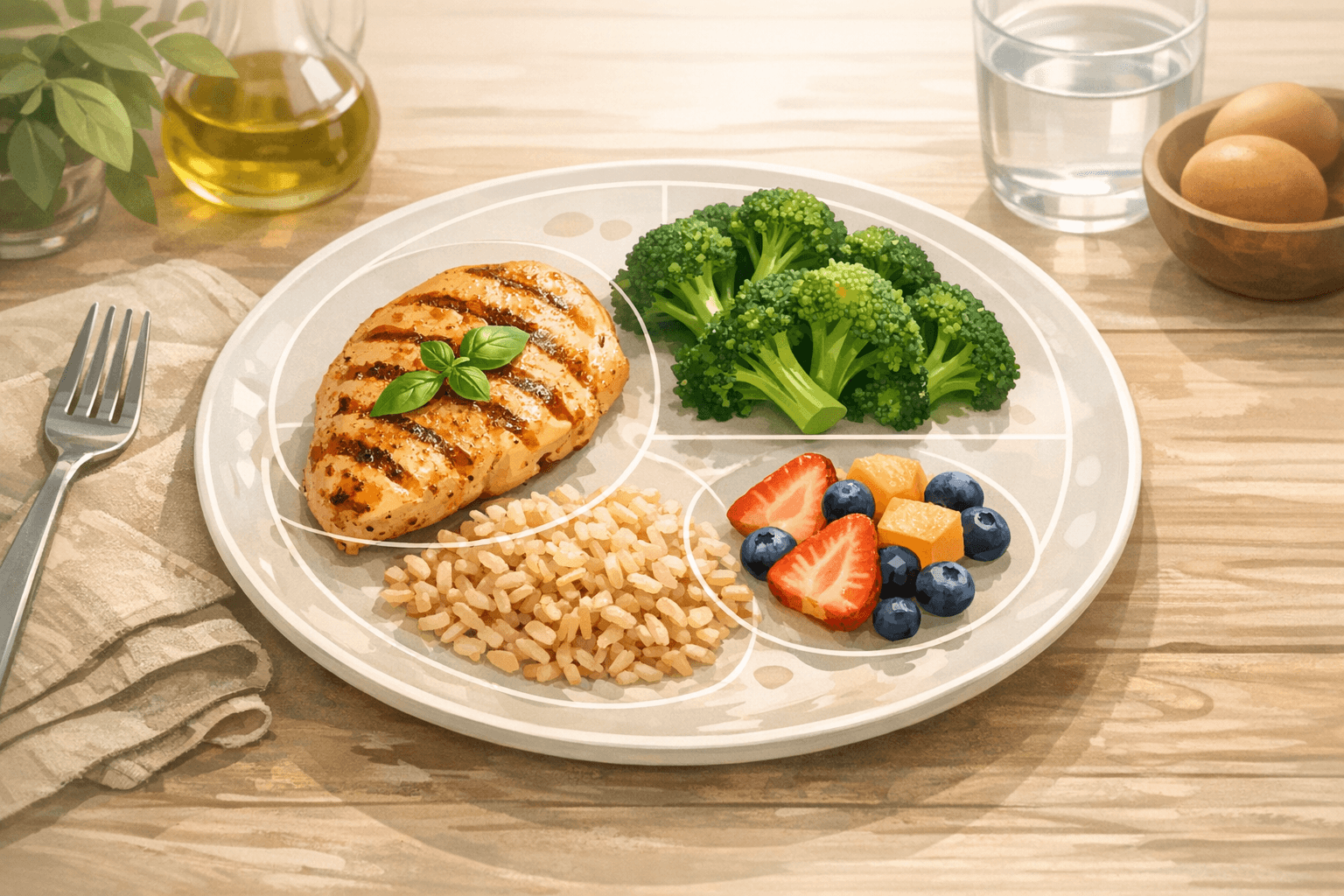
Method 3: The Plate Method
If measuring and counting feel too overwhelming right now, the Plate Method offers a simpler approach to diabetes meal planning.
Fill half your plate with non-starchy vegetables, one quarter with lean protein, and one quarter with carbohydrate-containing foods like grains, starchy vegetables, or fruit. This naturally limits your carbohydrate portion without requiring you to count grams.
This method works particularly well for people who are just starting out or who find detailed counting stressful. You can always add more precise counting later if you want more detailed information.
Carb Counting in Real Life: Practical Examples
Understanding carb counting in theory is one thing. Applying it to actual meals is where the learning really happens.
What Does 15 Grams of Carbs Look Like?
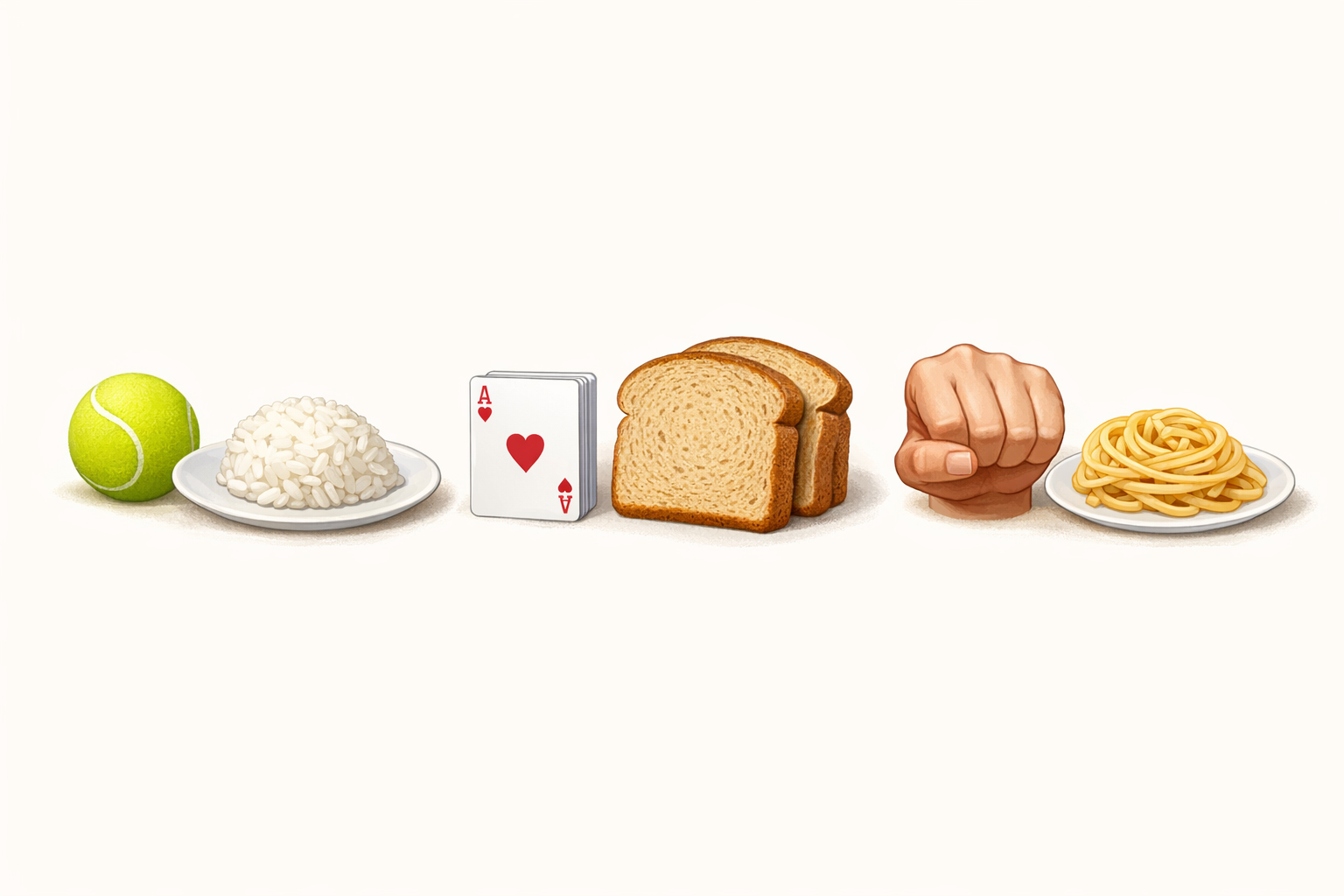
Visualizing carbohydrate amounts can help you estimate when you do not have labels or measuring tools available. Here are some foods that contain approximately 15 grams of carbohydrates:
- 1 slice of bread
- 1/3 cup cooked rice or pasta
- 1 small piece of fresh fruit (about the size of a tennis ball)
- 1/2 cup of oatmeal
- 6 crackers
- 1 cup of milk
- 1/2 cup of canned fruit (in juice, not syrup)
- 1/3 cup cooked beans or lentils
Sample Meals with Carb Counts
Breakfast (approximately 45 grams of carbs):
- 1 slice whole grain toast (15g)
- 1 small banana (15g)
- 1 cup milk or unsweetened almond milk (12-15g)
- 1 egg (0g)
Lunch (approximately 50 grams of carbs):
- 2 slices whole grain bread (30g)
- 3 ounces turkey or chicken (0g)
- 1 small apple (15g)
- Handful of baby carrots (5g)
Dinner (approximately 45 grams of carbs):
- 2/3 cup cooked brown rice (30g)
- 4 ounces grilled salmon (0g)
- 1 cup roasted non-starchy vegetables (10g)
- 1 cup steamed broccoli (5g)
Common Foods and Their Carb Content
| Food | Serving Size | Carbs (g) |
|---|
| White rice, cooked | 1/3 cup | 15 |
| Brown rice, cooked | 1/3 cup | 15 |
| Pasta, cooked | 1/3 cup | 15 |
| Potato, baked | 1 small | 30 |
| Sweet potato | 1 small | 25 |
| Corn | 1/2 cup | 15 |
| Black beans | 1/2 cup | 20 |
| Yogurt, plain | 1 cup | 12 |
| Orange | 1 medium | 15 |
Restaurant and Packaged Food Challenges
Eating out presents unique challenges for carb counting. Restaurant portions are often much larger than standard serving sizes, and dishes may contain hidden carbohydrates in sauces, marinades, and breading.
Some strategies that help:
- Look up nutrition information online before you go
- Ask for sauces on the side
- Consider splitting an entree or taking half home
- When in doubt, estimate conservatively and check your blood sugar to see how your body responded
Foods That Have Few or No Carbs
One of the most encouraging things to learn is that many nutritious and satisfying foods have minimal impact on your blood sugar.
Proteins
- Chicken, turkey, and other poultry
- Beef, pork, and lamb
- Fish and seafood
- Eggs
- Tofu and tempeh
- Most cheeses
Healthy Fats
- Olive oil, avocado oil, and other plant oils
- Avocados
- Nuts and seeds
- Nut butters (check labels, as some have added sugars)
Non-Starchy Vegetables
- Leafy greens (spinach, lettuce, kale)
- Broccoli and cauliflower
- Bell peppers
- Zucchini and summer squash
- Green beans
- Tomatoes
- Cucumbers
- Mushrooms
- Asparagus
Building your meals around these foods helps you feel satisfied while keeping your carbohydrate intake in a healthy range. Add appropriate portions of carbohydrate-containing foods for energy and balance.

Why You Should Not Eliminate Carbs Entirely
Some people wonder if it would be easier to just stop eating carbohydrates altogether. While very low-carb diets work for some people, completely eliminating carbs is neither necessary nor recommended for most people with diabetes.
Carbohydrates provide essential energy, and many carb-containing foods like fruits, whole grains, and legumes offer important vitamins, minerals, and fiber. The goal is to find the right amount and the right types of carbohydrates for your body, not to eliminate them entirely.
Common Carb Counting Mistakes to Avoid
As you develop this skill, being aware of common pitfalls can save you frustration.
Forgetting to Count Beverages
Beverages can be a hidden source of carbohydrates. Regular soda, fruit juice, sweetened coffee drinks, and alcohol can all affect your blood sugar. A 12-ounce can of regular soda contains about 40 grams of carbohydrates. Even milk and plant-based milk alternatives contain carbohydrates worth counting.
Water, unsweetened tea, and black coffee are carbohydrate-free options that will not affect your blood sugar.
Underestimating Portion Sizes
Studies consistently show that people tend to underestimate their portion sizes, especially for high-carb foods like pasta, rice, and cereal. What looks like one serving might actually be two or three.
Using measuring tools periodically, even after you feel comfortable estimating, helps keep your portions accurate.
Not Accounting for Fiber
Fiber is included in the total carbohydrate count on nutrition labels, but your body does not digest it the same way as other carbs. Some people subtract fiber from the total carbs to get "net carbs."
If a food has more than 5 grams of fiber per serving, you can subtract half the fiber from the total carbs for a more accurate estimate of its impact on your blood sugar. Discuss this approach with your healthcare team to see if it is right for you.
Inconsistent Meal Timing
When you eat can be almost as important as what you eat. Skipping meals or eating at irregular times can cause blood sugar fluctuations that make management more difficult. Try to eat at consistent times each day, spacing meals about 4-5 hours apart.
Tips for Success with Carb Counting
Learning to count carbs is a journey, not a destination. Here are some strategies to help you succeed.
Keep a Food Diary
Recording what you eat along with your blood sugar readings helps you see patterns and understand how different foods affect you personally. You can use a simple notebook or a tracking app on your phone.
Plan Meals Ahead of Time
When you know what you are going to eat, carb counting becomes much easier. Spending a few minutes each week planning meals can reduce daily stress and help you make healthier choices.
Work with a Registered Dietitian
A registered dietitian who specializes in diabetes can provide personalized guidance tailored to your lifestyle, preferences, and health goals. They can help you fine-tune your carb counting skills and troubleshoot challenges.
Personalized nutrition advice is far more effective than generic recommendations. Every person's body responds differently to carbohydrates, and a dietitian can help you understand your unique patterns.
Be Patient with Yourself
No one becomes an expert at carb counting overnight. There will be days when you estimate incorrectly or eat something unexpected. That is perfectly okay. What matters most is your overall pattern over time, not perfection at every single meal.
Moving Forward with Confidence
Carb counting is a skill, and like any skill, it improves with practice. You do not need to be perfect from day one. Start with the basics, use the tools that work for you, and build your confidence over time.
Small, consistent steps lead to better blood sugar control. Every time you pause to read a label, measure a portion, or make a thoughtful food choice, you are taking an active role in managing your health. That matters.
If you would like personalized support on your journey, consider working with a registered dietitian who specializes in diabetes nutrition. Kukta AI connects you with real, qualified dietitians who can provide one-on-one guidance tailored to your specific needs. Unlike generic calorie-tracking apps that offer only AI-generated advice, Kukta AI gives you access to a community of registered, vetted dietitians supported by modern technology. This combination of human expertise and smart tools means you get personalized, evidence-based support that apps alone cannot provide.
Remember: always consult with your healthcare provider or a registered dietitian before making significant changes to your diet. They can help ensure your approach is safe and appropriate for your individual health needs.
You are capable of learning this skill. Take it one meal at a time.