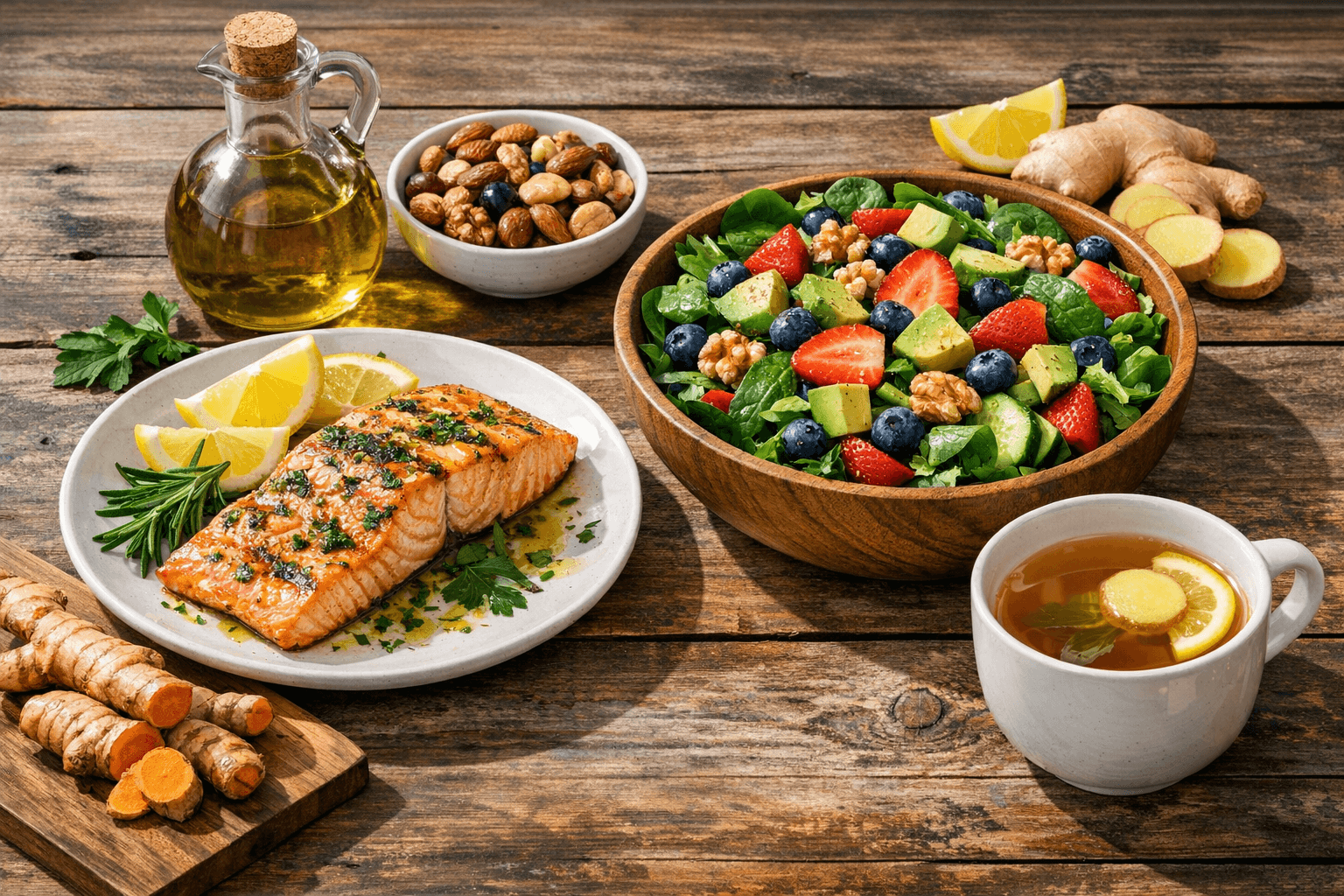
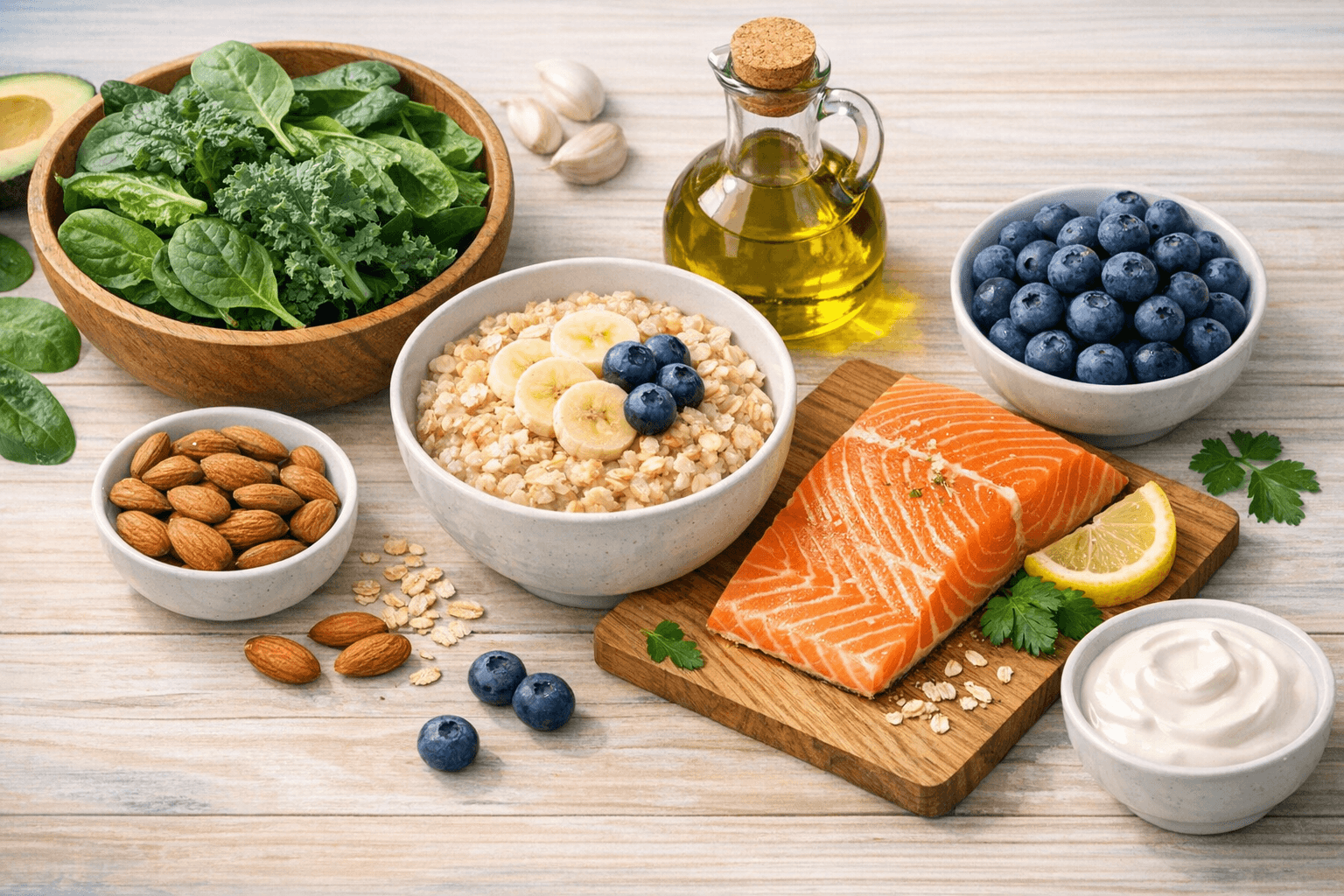
Anti-inflammatory Diet: Foods to Eat and Avoid for Better Health
If you have been dealing with ongoing joint pain, fatigue, or a chronic condition like arthritis or heart disease, you may have heard that inflammation plays a role in how you feel each day. The idea that the foods on your plate could either help or harm your body is both empowering and, at times, overwhelming.
The good news is that you do not need to overhaul your entire life overnight. Small, consistent changes to what you eat can make a meaningful difference in how you feel. This guide will walk you through the science of inflammation in plain language and give you practical tools to start eating in a way that supports your body.
What Is Inflammation and Why Does It Matter?
Inflammation is your body's natural defense system. When you cut your finger or catch a cold, your immune system springs into action. Redness, swelling, and warmth around a wound are signs that your body is working hard to heal itself. This is called acute inflammation, and it is a healthy, necessary response that protects you.
The problem arises when inflammation does not switch off. Chronic inflammation occurs when your immune system stays activated even when there is no immediate threat to fight. Over time, this low-grade, persistent inflammation can damage healthy tissues and contribute to a range of health problems.
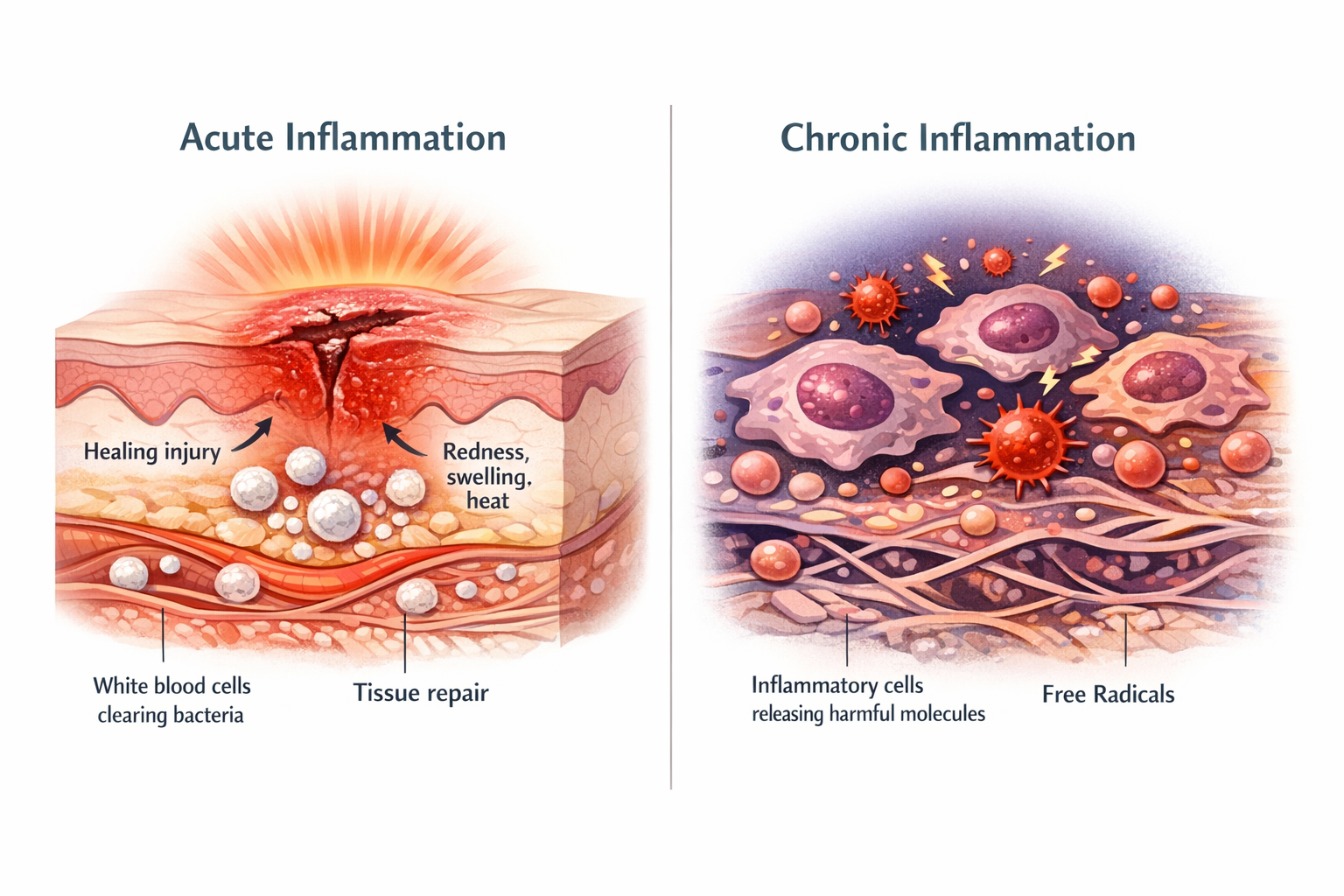
Think of it like a fire alarm that keeps ringing even after the fire is out. Eventually, the constant noise becomes exhausting and disruptive. Many people live with this internal "alarm" for years without realizing that diet and lifestyle changes can help quiet it.
How Chronic Inflammation Affects Your Health
Research has linked chronic inflammation to many of the most common health conditions affecting women today. Understanding these connections can help you see why what you eat matters so much.
Rheumatoid arthritis and joint pain: Inflammatory chemicals can attack the lining of your joints, causing pain, stiffness, and swelling. While medication is often necessary, an anti-inflammatory diet may help reduce symptom severity.
Heart disease: Inflammation contributes to the buildup of plaque in your arteries. Studies show that people with higher markers of inflammation have an increased risk of heart attacks and strokes.
Type 2 diabetes: Chronic inflammation can interfere with how your body uses insulin, making blood sugar harder to control. This creates a frustrating cycle where high blood sugar increases inflammation, which then makes diabetes harder to manage.
Autoimmune disorders: Conditions like lupus, Hashimoto's thyroiditis, and multiple sclerosis involve an overactive immune response. While diet cannot cure these conditions, many people report symptom improvement when they reduce inflammatory foods.
Digestive problems: Inflammation in the gut can contribute to bloating, discomfort, and conditions like inflammatory bowel disease. What you eat directly affects your gut microbiome, which plays a crucial role in immune function.
Foods That Fight Inflammation
The best anti-inflammatory foods are whole, minimally processed, and rich in compounds that help calm your immune system. Here is what to add to your grocery list.
Fatty Fish
Salmon, sardines, mackerel, and herring are rich in omega-3 fatty acids, specifically EPA and DHA. These healthy fats actively reduce the production of inflammatory chemicals in your body. Aim for two servings of fatty fish per week. If you do not eat fish, talk to your doctor about whether an omega-3 supplement is appropriate for you.
Leafy Greens
Spinach, kale, Swiss chard, and collard greens are packed with antioxidants, vitamins, and minerals. They contain vitamin K, which may help protect against inflammatory conditions. These vegetables are also low in calories and high in fiber, making them excellent for weight management.
Berries
Blueberries, strawberries, raspberries, and blackberries contain compounds called anthocyanins, which give them their vibrant colors and powerful anti-inflammatory properties. Studies suggest that regular berry consumption may reduce markers of inflammation and protect against heart disease.
Nuts and Seeds
Walnuts, almonds, chia seeds, and flaxseeds provide healthy fats, fiber, and antioxidants. Walnuts, in particular, contain a type of omega-3 called alpha-linolenic acid. A small handful of nuts makes a satisfying snack that supports heart health.
Extra Virgin Olive Oil
A staple of the Mediterranean diet, extra virgin olive oil contains oleocanthal, a compound that research suggests may work similarly to some anti-inflammatory medications. Use it for salad dressings, sauteing vegetables, or drizzling over finished dishes.
Tomatoes
Tomatoes are rich in lycopene, an antioxidant that may help reduce inflammation throughout the body. Interestingly, cooking tomatoes with a little olive oil increases lycopene absorption. If you have arthritis, you may have heard conflicting information about tomatoes, which we will address in the frequently asked questions section.
Turmeric and Ginger
These vibrant spices have been used for centuries in traditional medicine. Turmeric contains curcumin, a compound with well-documented anti-inflammatory effects. Your body absorbs curcumin better when paired with black pepper. Ginger contains compounds that may help reduce muscle pain and soreness after exercise.
Other Anti-Inflammatory Foods to Include
- Fatty fish: Salmon, sardines, mackerel, anchovies
- Colorful vegetables: Bell peppers, carrots, sweet potatoes, beets
- Whole grains: Oats, quinoa, brown rice, barley
- Legumes: Lentils, chickpeas, black beans
- Fermented foods: Yogurt with live cultures, kefir, sauerkraut
- Dark chocolate: At least 70% cocoa, in moderation
- Green tea: Contains EGCG, a powerful antioxidant
Foods That Promote Inflammation
You do not need to eliminate these foods entirely, but reducing your intake can help calm chronic inflammation. Think of it as crowding out less helpful choices with more nourishing ones.
Processed meats: Bacon, hot dogs, deli meats, and sausages contain compounds called advanced glycation end products (AGEs) that can trigger inflammation. They are also typically high in sodium, which may increase blood pressure.
Refined carbohydrates: White bread, white pasta, pastries, and crackers cause rapid spikes in blood sugar. These spikes can trigger an inflammatory response, especially when eaten frequently.
Sugary beverages: Soda, sweetened iced tea, energy drinks, and many fruit juices deliver large amounts of added sugar quickly. High sugar intake is consistently linked to higher inflammation markers.
Fried foods and trans fats: Deep-fried foods and products containing partially hydrogenated oils promote inflammation and harm heart health. Check labels for trans fats, even if the nutrition facts say zero grams.
Excessive alcohol: While moderate red wine consumption may have some benefits, heavy drinking increases inflammation and can damage your liver over time.
Highly processed foods: Chips, crackers, packaged cookies, and many convenience foods are often high in unhealthy fats, added sugars, and sodium while being low in nutrients that fight inflammation.
The Mediterranean Diet: A Gold Standard for Reducing Inflammation
If all of this sounds like a lot to remember, there is a simple framework that naturally incorporates most anti-inflammatory principles: the Mediterranean diet.
This way of eating is based on traditional diets from countries bordering the Mediterranean Sea. Research consistently shows that people following this pattern have lower rates of heart disease, diabetes, and inflammatory conditions.
Core principles include:
- Building meals around vegetables, fruits, whole grains, and healthy fats
- Using extra virgin olive oil as the primary fat
- Eating fish regularly and poultry, eggs, and dairy in moderation
- Limiting red meat and sweets to occasional indulgences
- Enjoying meals with others and taking time to savor food
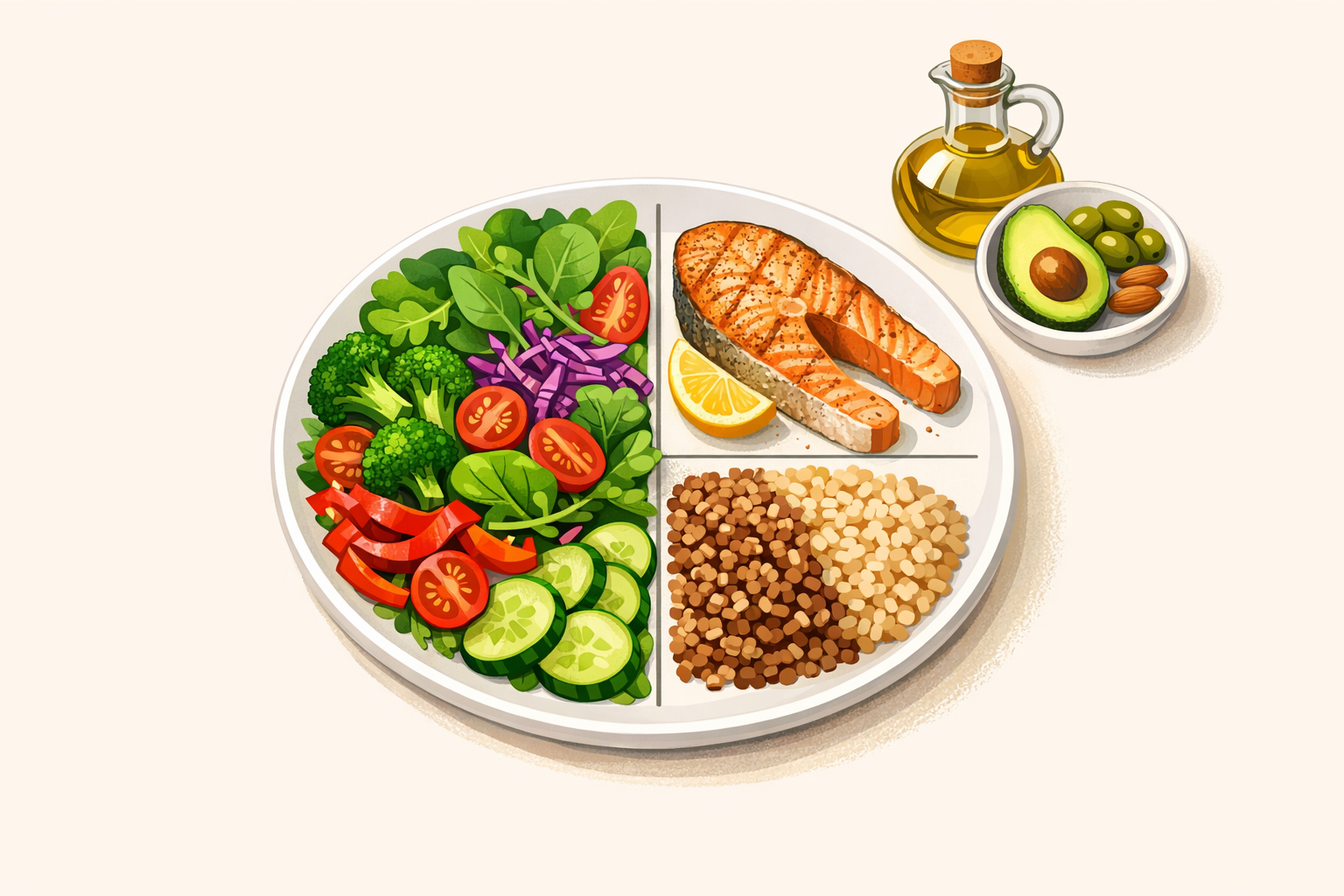
The beauty of the Mediterranean approach is its flexibility. You are not following strict rules or eliminating entire food groups. Instead, you are emphasizing foods that nourish your body while still enjoying life.
Sample Day of Anti-Inflammatory Eating
Here is what a day of anti-inflammatory meals might look like. These ideas are meant to inspire you, not to prescribe exactly what you must eat.
Breakfast: Steel-cut oatmeal topped with fresh blueberries, a tablespoon of ground flaxseed, and a drizzle of honey. Pair with a cup of green tea.
Lunch: Spinach and kale salad with grilled salmon, cherry tomatoes, cucumber, and a dressing made from extra virgin olive oil and lemon juice. Add a side of hummus with carrot sticks.
Snack: A small handful of walnuts and an orange.
Dinner: Lentil soup with turmeric, ginger, and carrots. Serve with a side of roasted vegetables including sweet potato and Brussels sprouts cooked in olive oil.
Evening treat: A square of dark chocolate with a cup of chamomile tea.
Tips for Starting an Anti-Inflammatory Diet
Making dietary changes can feel overwhelming, especially when you are already managing a health condition. Here are practical strategies to help you begin.
Start with additions, not restrictions. Before you remove anything from your diet, focus on adding one anti-inflammatory food each day. Add berries to your breakfast, enjoy a side salad with lunch, or snack on walnuts in the afternoon.
Cook more often. Preparing meals at home gives you control over ingredients and helps you avoid hidden inflammatory additives. Even simple preparations like roasted vegetables or basic grilled fish count.
Plan ahead. Set aside time each week to wash and chop vegetables, cook a batch of whole grains, or prepare a large salad that lasts several days. Having healthy options ready makes good choices easier.
Read ingredient labels. Look for products with recognizable ingredients and short lists. Be cautious of claims like "natural" or "healthy" on packaging, which are not strictly regulated.
Make budget-friendly swaps. Canned salmon and sardines are affordable sources of omega-3s. Frozen berries and vegetables are just as nutritious as fresh and often cost less. Buy whole grains in bulk.
Stay hydrated with water. Replace sugary drinks with water, unsweetened tea, or sparkling water with a splash of fruit juice. Proper hydration helps your body function optimally.
Be patient with yourself. Changing eating habits takes time. If you have a day where you eat more inflammatory foods than you intended, simply return to your supportive choices at the next meal. No guilt necessary.
Frequently Asked Questions About Anti-Inflammatory Diets
Do I need to take supplements?
A well-planned anti-inflammatory diet can provide most of the nutrients you need. However, some people may benefit from supplements, particularly omega-3 fatty acids if they do not eat fish, or vitamin D if levels are low. Always talk to your doctor or a registered dietitian before starting any supplement, as some can interact with medications.
How long until I notice a difference?
This varies from person to person. Some people report feeling better within a few weeks, while others may need several months of consistent dietary changes to notice improvements. Factors like the severity of inflammation, other lifestyle habits, and individual biology all play a role.
Are nightshade vegetables bad for inflammation?
Nightshades include tomatoes, eggplant, bell peppers, and potatoes. Some people with arthritis report that these vegetables worsen their symptoms. However, research has not consistently shown that nightshades increase inflammation for most people. In fact, tomatoes have documented anti-inflammatory benefits. If you suspect a specific food bothers you, try removing it for a few weeks and then reintroducing it while tracking your symptoms. A dietitian can help you do this safely.
Can an anti-inflammatory diet help me lose weight?
Many anti-inflammatory foods are naturally lower in calories and higher in fiber, which can support healthy weight management. Additionally, reducing chronic inflammation may improve metabolism and insulin sensitivity. However, weight loss depends on overall calorie balance, so portion sizes still matter.
Moving Forward: Small Steps Add Up
Changing how you eat is not about following a strict set of rules or achieving perfection. It is about making choices, one meal at a time, that support your body's ability to heal and thrive.
Key takeaways to remember:
- Chronic inflammation contributes to many common health conditions, and diet can play a role in managing it
- Emphasize fatty fish, colorful vegetables and fruits, nuts, seeds, and healthy fats like olive oil
- Reduce processed meats, refined carbohydrates, sugary drinks, and highly processed foods
- The Mediterranean diet offers a flexible, sustainable framework for anti-inflammatory eating
- Small, consistent changes matter more than dramatic overhauls
If you feel overwhelmed or unsure where to start, consider working with a registered dietitian who can create a personalized plan based on your specific health needs, food preferences, and lifestyle. A qualified professional can help you navigate conflicting information and develop realistic strategies that fit your life.
Platforms like Kukta AI make it easier to connect with registered dietitians who provide personalized guidance rather than generic advice. Unlike calorie-tracking apps that rely solely on algorithms, Kukta AI empowers real, credentialed dietitians with modern technology to give you evidence-based support tailored to your unique situation. You deserve guidance from a qualified human who understands that you are more than a set of numbers.
This article provides general educational information and is not a substitute for personalized medical advice. Please consult with your healthcare provider or a registered dietitian before making significant changes to your diet, especially if you are managing a health condition or taking medications.